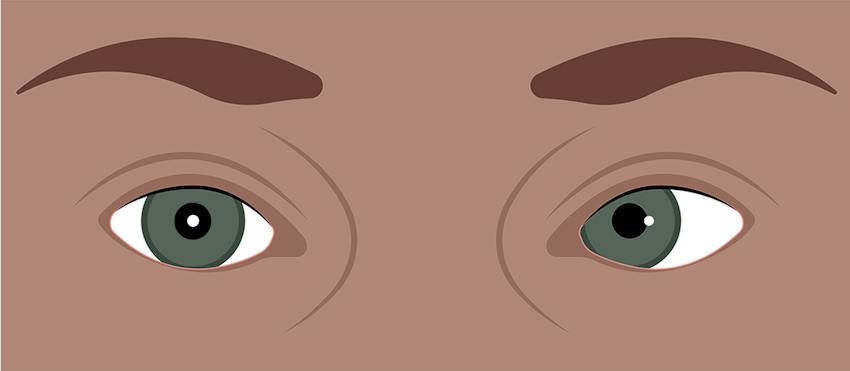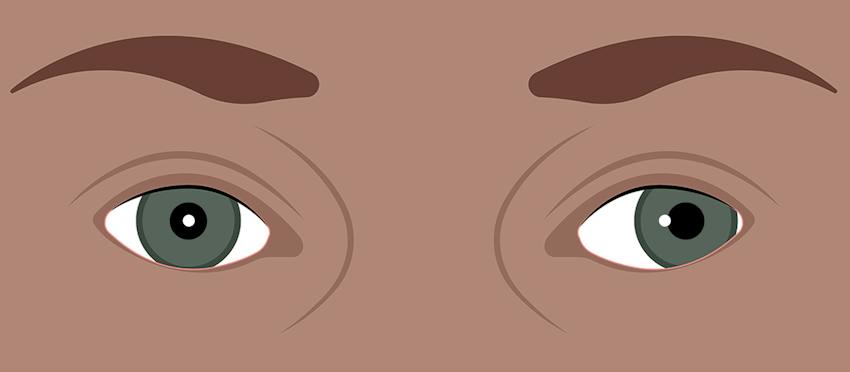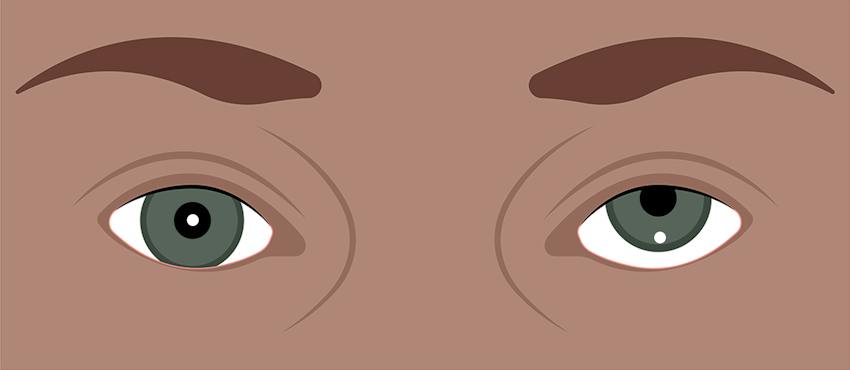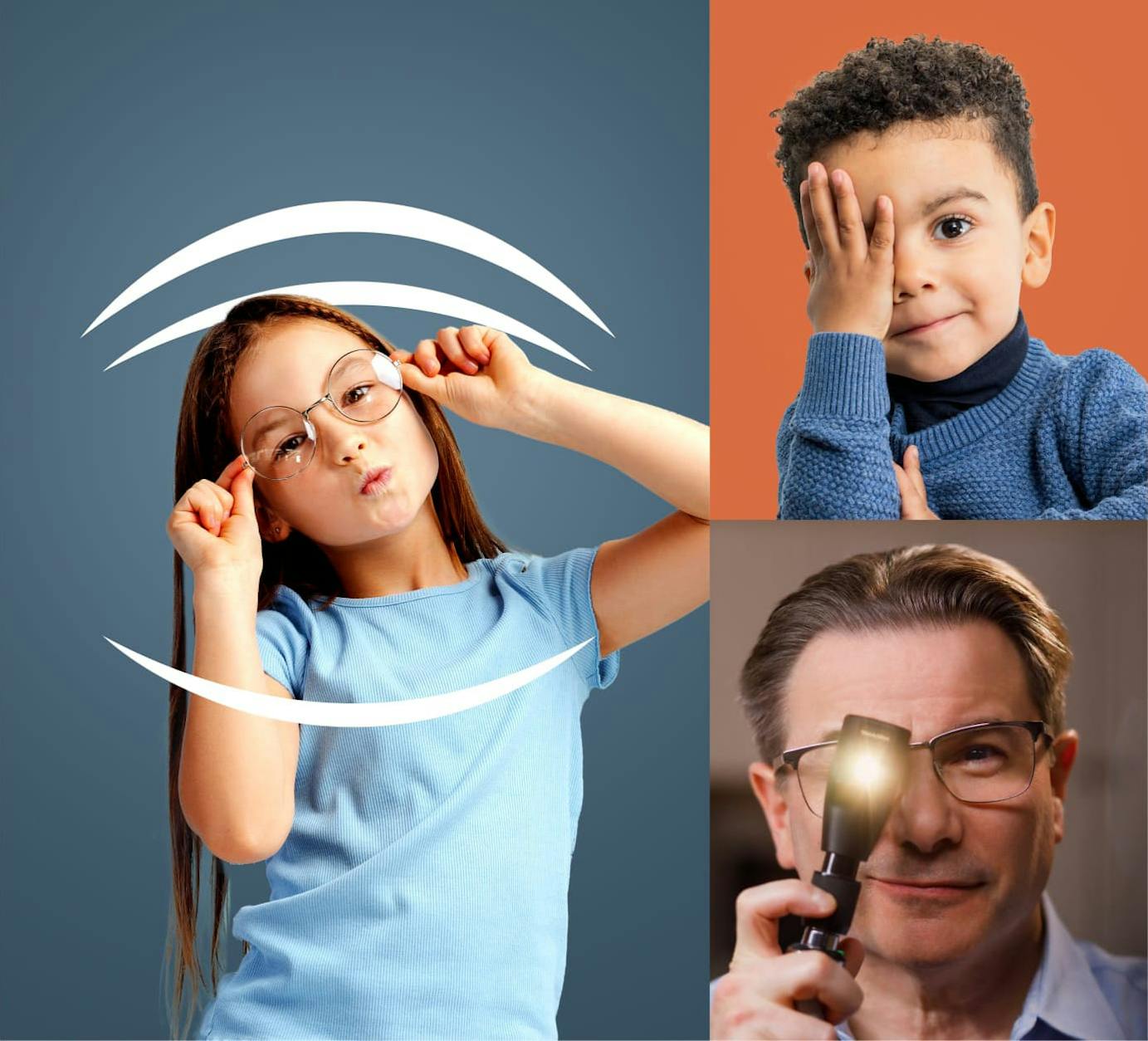
Forms of Strabismus

In some cases, vertical and horizontal misalignments occur together, and there may even be a rotational component. The degree and direction of the strabismus can also change depending on where the eyes are looking. And, as with most things in medicine, there are always a few exceptions to the rule.


An Adult Journey with Strabismus Surgery | The Pediatric Eye Center

wendy

Why It’s Never Just One Eye

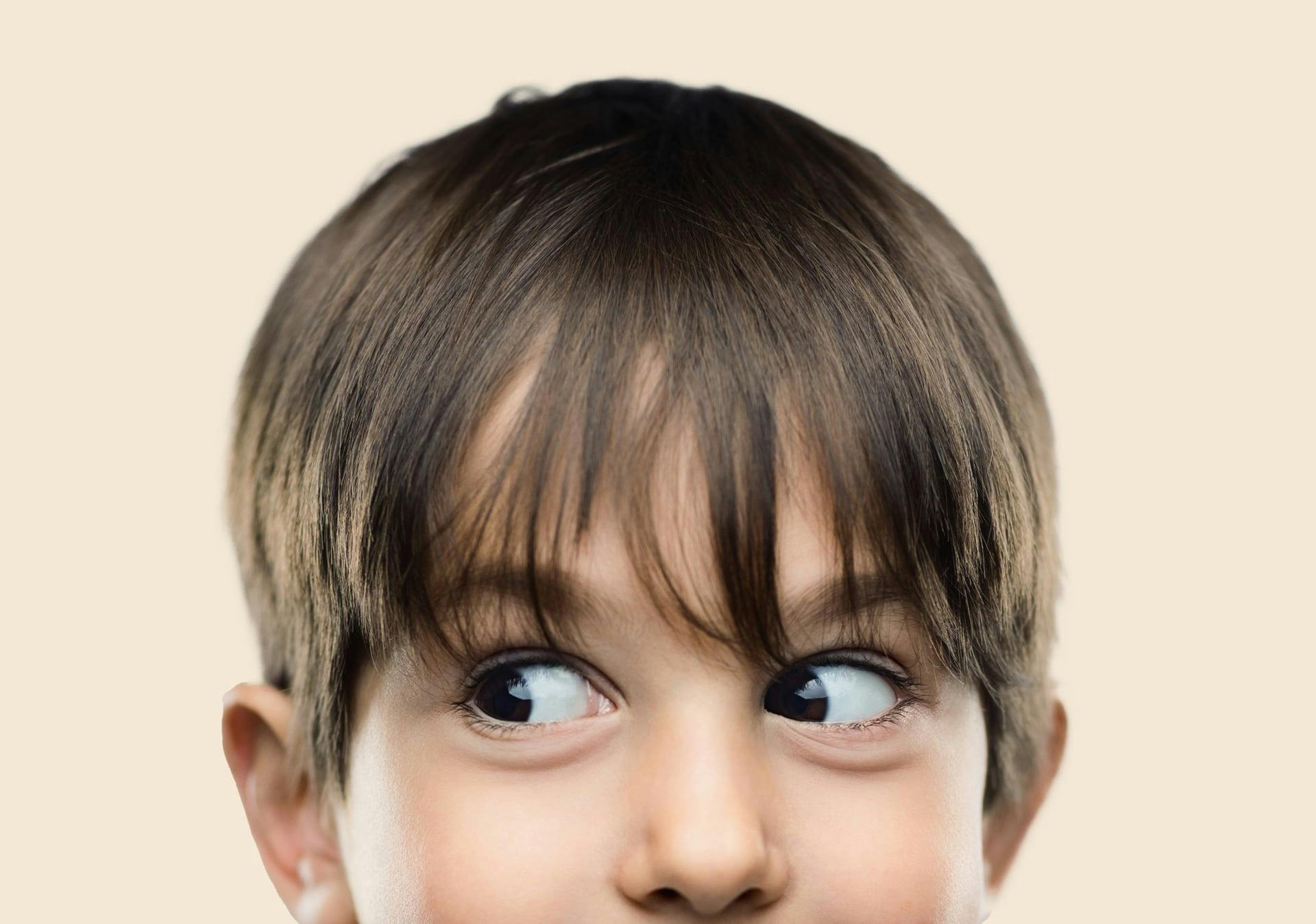
Skilled strabismus specialists understand how to assess alignment and recommend appropriate treatment options for the eyes. The emphasis on “eyes”—plural—is intentional. While it may look like only one eye is out of place, strabismus actually affects both. Misalignment is always related to the position of one eye compared to the other.

Banner media
young boy in a school hallway

When Does Strabismus Appear?

Strabismus may be noticeable all the time (tropia), only under certain conditions, such as fatigue, illness, or specific testing (phoria), or somewhere in between (intermittent tropia). For example, a person might have an esophoria, where the eyes turn inward toward the nose only when tired; an intermittent esotropia, where the eyes occasionally turn inward on their own; or an esotropia, where the inward turn is constant.


Before & After

View Gallery

Why Do We Need Properly Aligned Eyes?

When the eyes are properly aligned (“straight”), both eyes are looking at the same object simultaneously. Because our two eyes are slightly separated naturally, two separate (and slightly different) images are perceived and sent to the brain. Within the brain, these two slightly separate images are fused into a single three-dimensional (3-D) perception. Depth perception is only possible when both eyes point in the same direction at the same time. 


Schedule a Consultation

Schedule Myopia Evaluation
Contact us media

What Happens When the Eyes Are Misaligned?

When someone has strabismus, their eyes are pointing in different directions at the same time, so their brain is presented with two very different images simultaneously. Our brain cannot fuse very different images into one, so depth perception (3-D vision) is not possible when strabismus is present.

For Young Children

When a young child has a very frequent or constant strabismus, their brain ignores one of the images, and normal depth perception cannot develop or is lost. Certain forms of strabismus (usually esotropias) can cause the brain to ignore an eye altogether, and vision will be lost (amblyopia). 

For Older Children and Adults

Visually mature children (older than eight or so) and adults who develop strabismus cannot just ignore the second image, so they often develop double vision. Fortunately, nearly all forms of strabismus can be treated and made better.

I love how he treated the kids like it's their appointment and not the parents’.

Dr. E. is the sweetest and kindest pediatric ophthalmologist I've ever met.

... an excellent eye doctor, incredibly friendly and patient with my little one, making the entire visit smooth and stress-free.

Dr. Lichtenstein is the best! He’s funny, kind, and really knows his craft.

The best doctor I have ever seen.

The best doctor solved my son’s problem with patience and care.

I would like to express my deepest gratitude to Dr. Eric A. Lichtenstein for the exceptional care provided...

...I have nothing but kind things to say.

Reviews media
Reviews media

Trusted by Pediatricians, Chosen by Families

We are honored to receive so many referrals from both local and regional pediatricians. We also appreciate that families recommend The Pediatric Eye Center to their relatives, friends, and business associates. Here’s why they recognize us:

We Offer Impeccable Medical Expertise

Since 1999, Dr. Lichtenstein has delivered exceptional pediatric eye care to tens of thousands of infants and children in the tri-state region. He brings over one quarter of a century of experience, along with compassion and humor (that has only matured like a fine wine), to every patient appointment.

We Offer Child-Friendly (and Even Fun) Eye Care Appointments

Dr. Lichtenstein pulls out all the stops to deliver a fun visit. For babies and younger kids, he uses toys and props, silly voices, singing, and his trademark Dad humor. For tweens and teens, he respects their existential angst and tries to avoid causing eye rolls and moans of annoyance. Gotta know your audience—and he does.

We Practice Sincere, Honest Communication

Dr. Lichtenstein believes in open, honest discussions with children old enough to understand and their parents. He is happy to explain his diagnostic approach and the treatment plan at the proper level, and he welcomes questions from kids and parents. He truly believes that well-informed families are key to successful treatment outcomes.

quote media

“Great office, great staff. Dr. Lichtenstein has a special way to connect with his patients. Even though they’re children, he involves them in the discussions about their vision care.”

Tania Lopez

Understanding Abnormal Head Position (AHP)

Certain eye movement problems will cause people to position their head in an abnormal manner. AHP typically appears as:

  • A face turn to the right or left
  • A head tilt towards the shoulder
  • Chin up or down
  • Combinations of turns, tilts, and chin-up/down positions

It is important to determine whether an AHP is caused by an abnormal eye movement. For very young children, uncorrected AHPs can cause changes in facial and neck bone development.   In addition, if physical therapy is attempted for an undiagnosed AHP, this can lead to vision loss (amblyopia).  As for older children and adults, AHPs can cause neck pain and/or self-esteem issues.

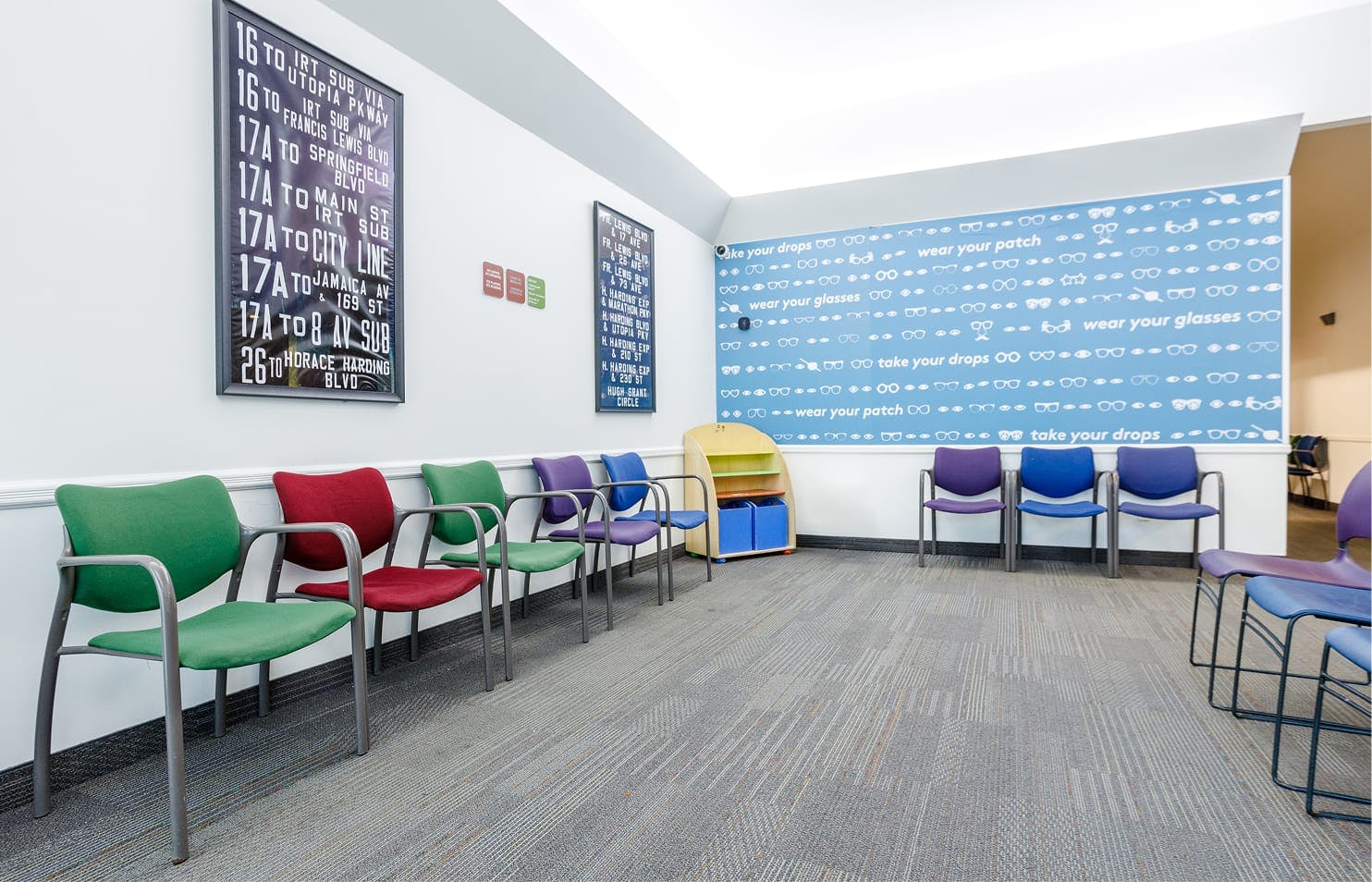
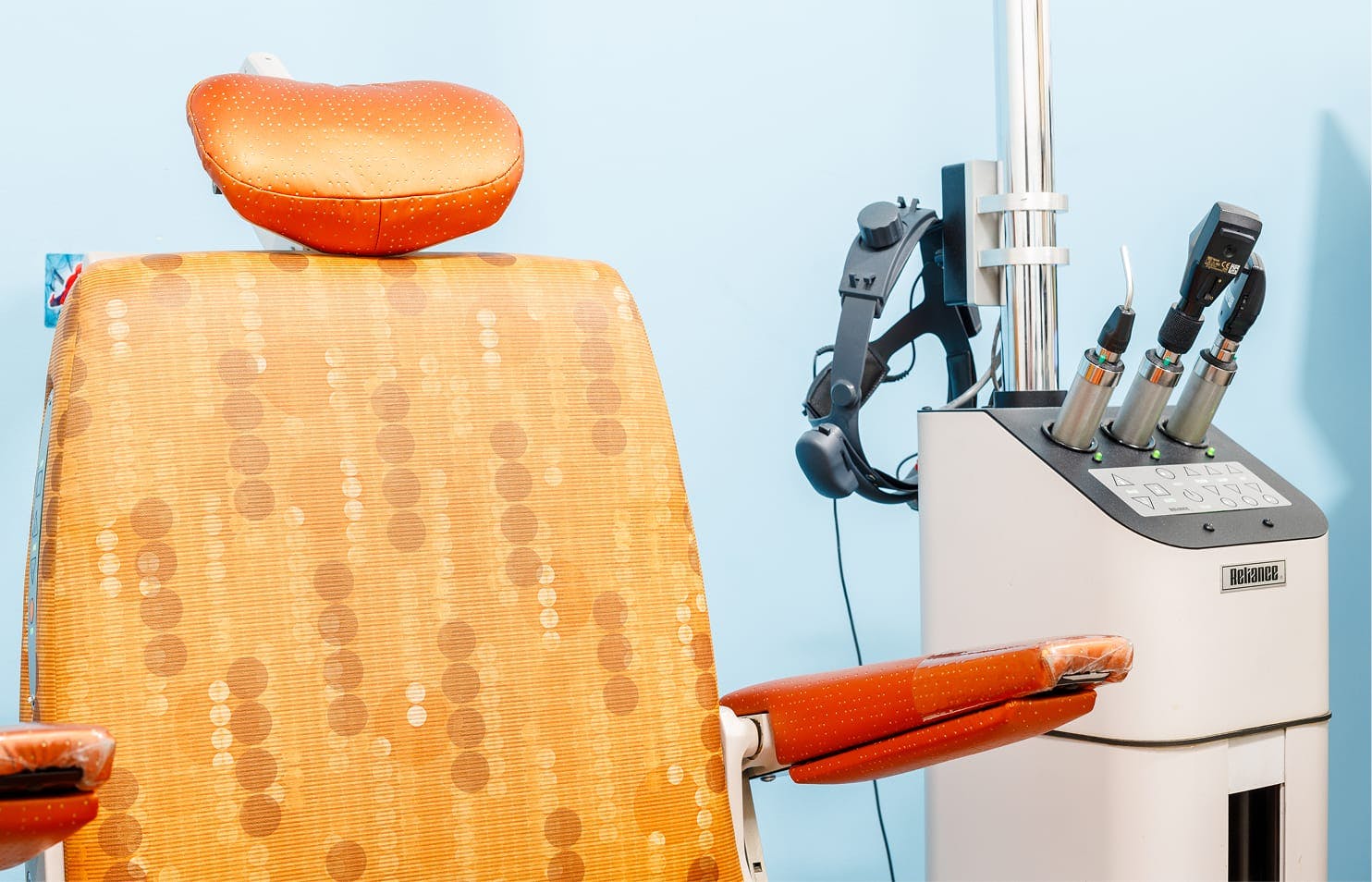
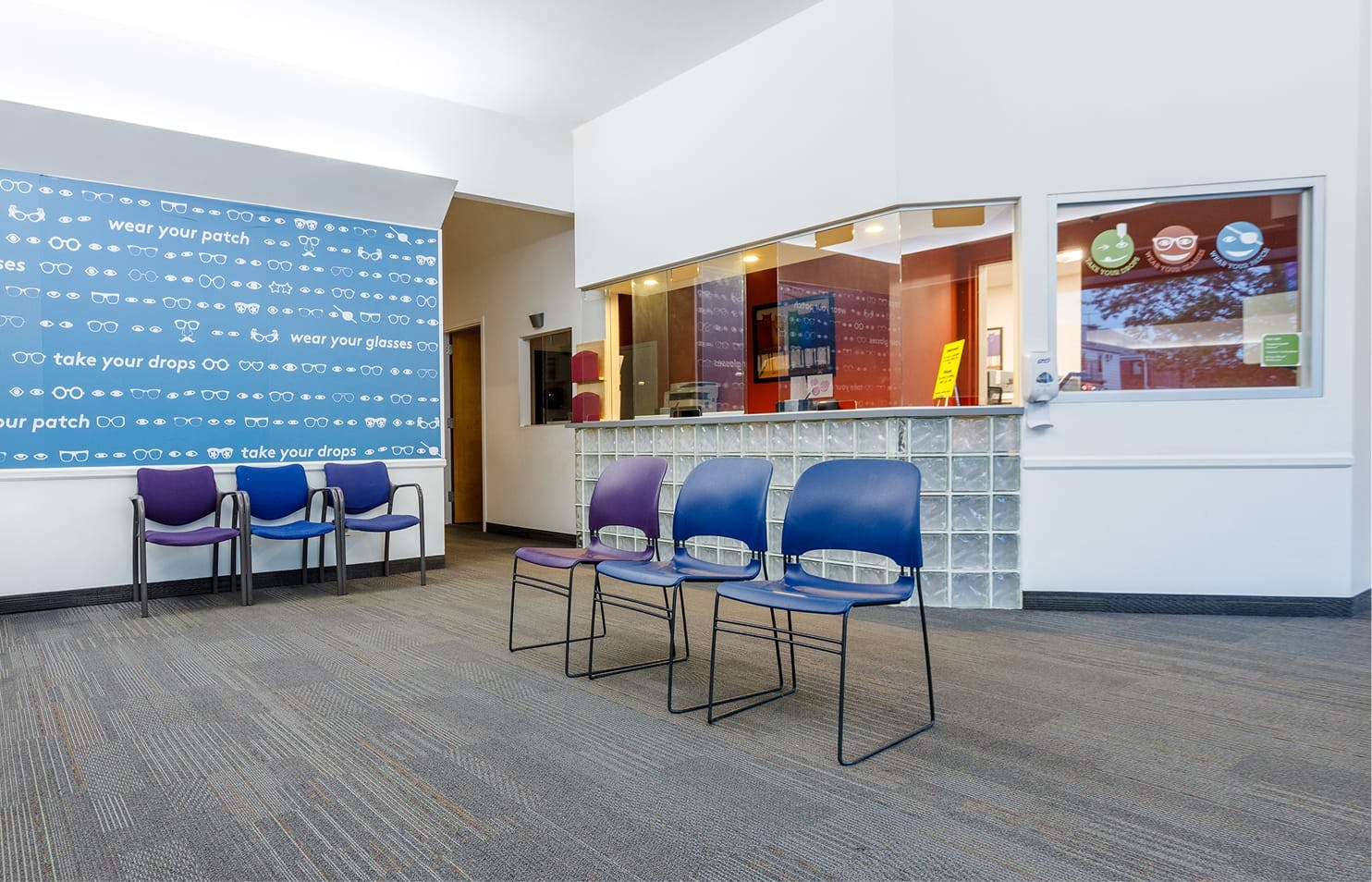
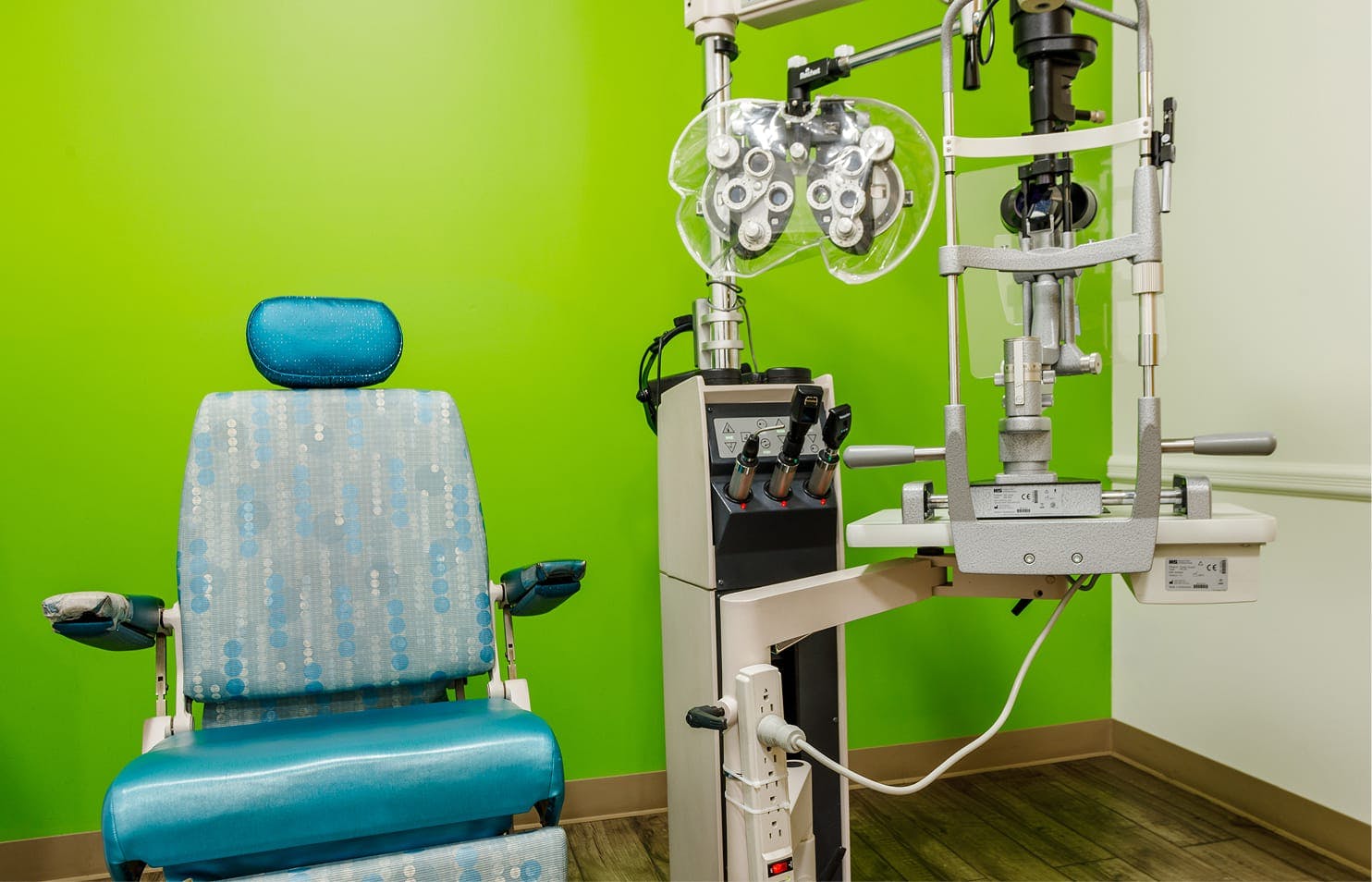
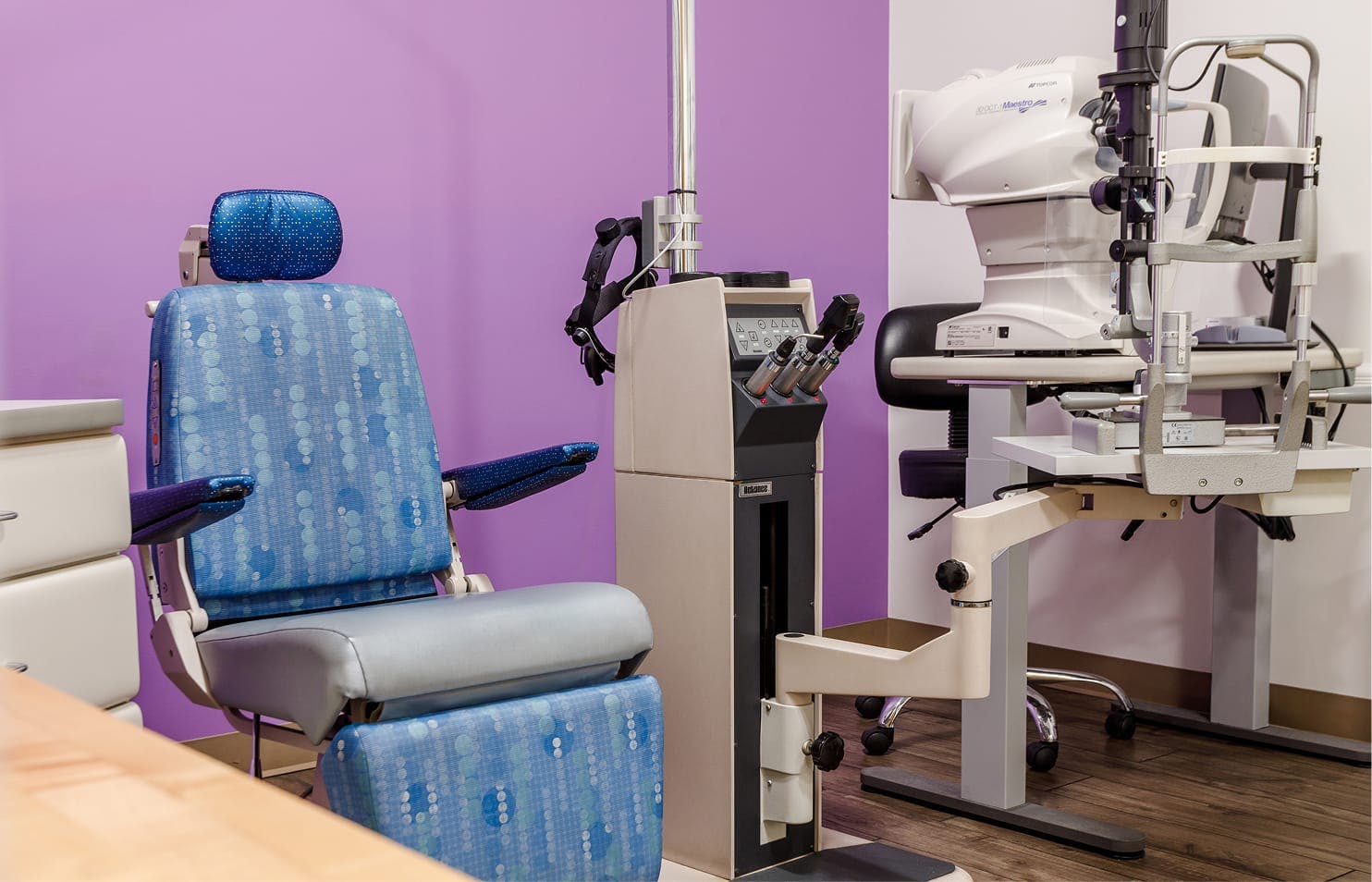
Explore Our Office

Office media
Office media
Office media
Office media
Office media
Office media
Office media

Eye Conditions Linked to an Abnormal Head Position (AHP)

There are three generally accepted ophthalmic causes for AHP:

Strabismus (Misaligned Eyes)

Some forms of strabismus will vary depending on where the person is looking.  By assuming an abnormal head position, these folks have learned how to make their eyes straight.  They do this because it reduces/eliminates double vision and may even permit good 3-D vision.

Nystagmus (Shaky/Dancing Eyes)

Many forms of nystagmus are minimized when looking toward a particular direction.  By assuming an abnormal head position, people with nystagmus are able to reduce their nystagmus and see better.   

Ptosis (Droopy Eyelid)

When the eyelid blocks the pupil, vision is not possible, so these folks may lift their chin to “look under” the drooping lid and see things in 3-D.

What’s Behind Your Child’s Abnormal Head Position (AHP)?

Dr. Lichtenstein wants to know why your child’s head is positioned abnormally. To find out, he’ll perform a full eye exam and specialized tests to clarify what’s going on. He may also place a patch on one eye, noting if the AHP improves. Together, these findings help us determine whether a specific eye condition is behind an AHP. 

little boy pointing up

Strabismus & Nystagmus Treatment Options in Queens & Nassau County

Abnormal head position treatment depends on the cause. If someone has strabismus, nystagmus, ptosis, or a combination of these, surgery may be a good option.

Pediatric eye surgeon Dr. Eric Lichtenstein has been performing infant (and adult) strabismus treatment in Queens and Nassau County for over a quarter of a century. 

His rapport with children, high-level clinical and surgical skills, and open communication with parents drive his continued surgical success.

Strabismus FAQs

Is strabismus painful?

Strabismus itself is not typically painful. Most children and adults with the condition do not report eye pain, though some notice eye strain, headaches, or fatigue, particularly when the misalignment is intermittent and their visual system is constantly working to compensate.

Can strabismus get worse over time?

It can, depending on the type and underlying cause. Some forms stay stable for years. Others progress without treatment. Either way, tracking the condition over time allows for timely intervention before things become harder to correct.

Does wearing glasses fix strabismus?

Sometimes, yes. With accommodative esotropia, the inward eye turn is driven by the effort of focusing, and the right glasses prescription can reduce or eliminate it entirely. For other types of strabismus, glasses help with vision but do not correct the alignment on their own.

If strabismus is treated, will my child's vision go back to normal on its own?

Not necessarily. Correcting the eye turn fixes the alignment, but it does not automatically restore vision in an eye the brain has already learned to suppress. If amblyopia has developed, it needs its own treatment, typically patching or glasses, separate from whatever is done to address the alignment. That is why a thorough evaluation looks at both issues together.

Is strabismus surgery performed under general anesthesia?

Yes. Strabismus surgery is performed under general anesthesia, so patients are fully asleep. This applies to children and adults alike. The procedure itself typically takes less than an hour, and patients go home the same day.

How many surgeries might my child need?

Some children get excellent results from one procedure. Others may need a second surgery as they grow and their visual system continues to mature. Dr. Lichtenstein will walk through realistic expectations at your consultation based on your child's specific type of strabismus.

What is the recovery like after strabismus surgery?

Expect some redness and mild discomfort for a week or two. Vision may be slightly blurry at first. Most kids are back at school within a few days, and activity restrictions are usually minimal. Full healing takes several weeks, and follow-up appointments are important for checking that alignment is holding.

Will my child need glasses or patching after surgery?

Surgery addresses the physical alignment of the eyes. It does not treat amblyopia. If amblyopia is present, patching or glasses may still be part of the plan after surgery. Dr. Lichtenstein looks at both issues together and builds a treatment approach that covers all of it.

Does strabismus run in families?

It can. There is a hereditary component to strabismus, and children with a parent or sibling who has had it are at higher risk. That said, having a family history does not mean a child will definitely develop the condition, and many children with strabismus have no family history at all. If eye misalignment runs in your family, earlier screening is a smart call.

FAQ media
FAQ media
FAQ media

Schedule an Appointment Today

Queens and Nassau County parents seeking a pediatric strabismus specialist can easily schedule an appointment with Dr. Lichtenstein by calling (929) 588-8570.

Contact us media

Subscribe to our Newsletter

* indicates required
   
Accessibility: If you are vision-impaired or have some other impairment covered by the Americans with Disabilities Act or a similar law, and you wish to discuss potential accommodations related to using this website, please contact our Accessibility Manager at (718) 468-9100.
Contact Us