Nearsightedness isn’t just about blurry vision or a stronger prescription. Myopia is a condition in which a child’s eye grows too long, and that growth increases the lifetime risk of eye disease later on.
Our approach focuses on slowing abnormal eye growth rather than just correcting vision. We focus on slowing abnormal eye growth and track progress using axial length measurement, the gold standard for monitoring how the eye grows, guided by decades of pediatric ophthalmology experience.
Myopia Management in Queens & Nassau County
Physician‑Led Myopia Management
Managing myopia requires more than selecting a treatment. It requires medical judgment over time.
As a child’s eyes grow, decisions must be revisited, measurements re‑evaluated, and therapy adjusted thoughtfully. This is especially important given the long‑term risks associated with excessive eye elongation.
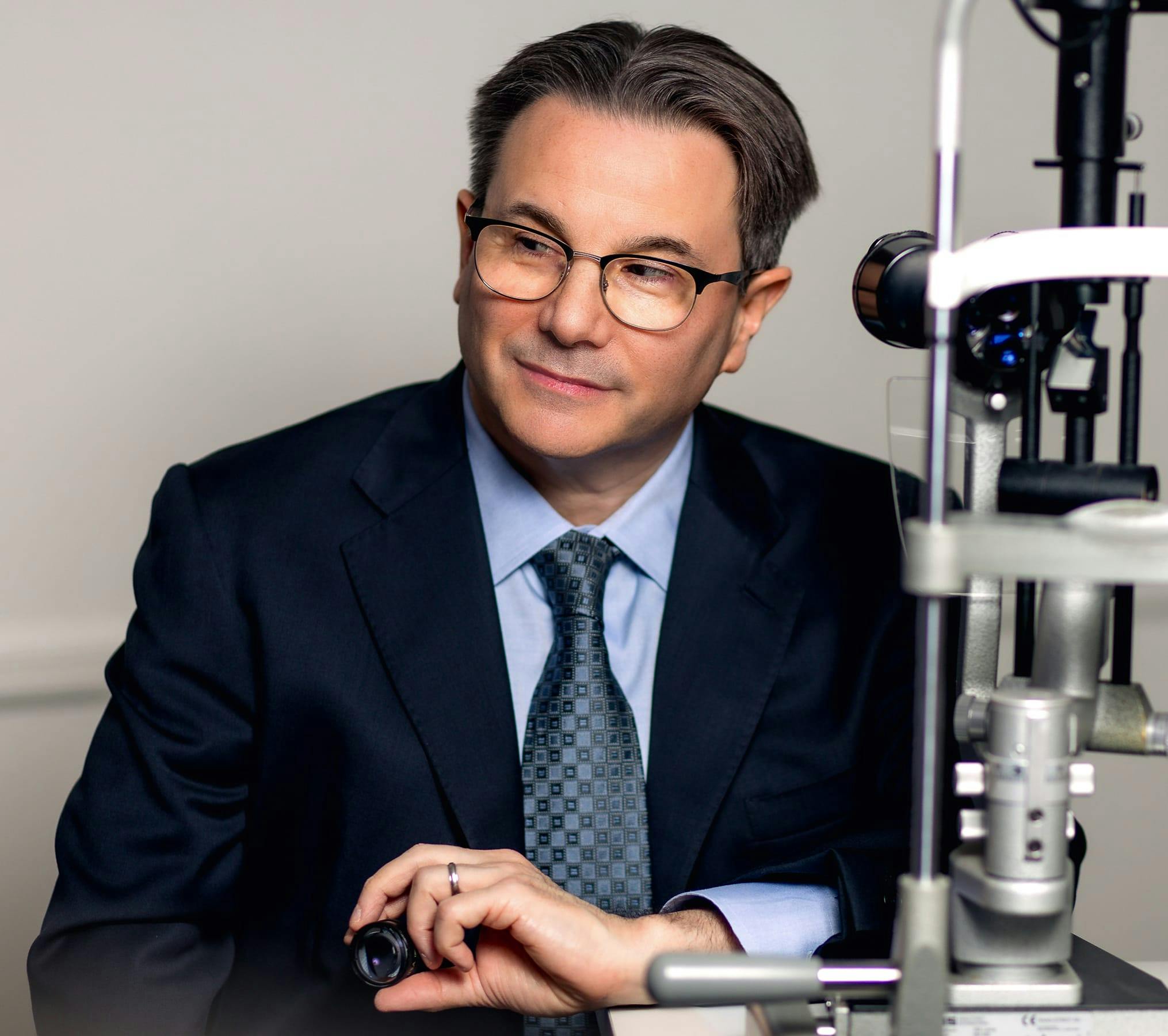
Dr. Eric Lichtenstein's myopia care emphasizes careful assessment, axial length‑based monitoring, and long‑term responsibility as a child grows from early childhood through adolescence.
We Lead With Medical Expertise
Dr. Eric Lichtenstein is one of the most experienced pediatric eye surgeons in New York, with over 25 years of experience caring for children with complex eye conditions.
We Treat Your Child Like Our Own
From toddlers to teens, we meet kids where they are—with warmth, patience, and care that grows with them.
We Focus on What Matters Most
Long-term outcomes, not quick prescriptions. Real relationships, not rushed appointments. A plan that evolves with your child’s needs.

What Is Myopia and Why Does It Matter?
Myopia, or nearsightedness, affects how clearly a child sees distant objects, but more importantly, it reflects how the eye is growing.
In myopia, the eye grows longer than normal. While glasses or contact lenses can correct blurred vision, they do not change this underlying growth pattern.
Excessive eye elongation increases the lifetime risk of serious eye disease, including retinal detachment, glaucoma, early cataracts, and myopic macular degeneration. For this reason, myopia today is understood as a medical condition that requires thoughtful, long‑term management, not just vision correction.
How I Choose Treatments and Why I’m Selective
Myopia management is not about offering every available option. It is about choosing treatments that meaningfully slow abnormal eye growth while preserving long‑term ocular health.
My decisions are guided by one central question:
Is this treatment reliably slowing axial eye growth without introducing unnecessary risk?
Excessive axial elongation is what drives long‑term eye disease. Effective myopia care therefore requires objective measurement, sound judgment, and a willingness to be selective. For that reason, I intentionally offer treatments with the best balance of demonstrated benefit, safety, and durability over time—and I choose not to offer others.

The Treatments I Do Offer
The treatments I recommend are selected for their effectiveness, safety, and compatibility with long‑term eye health. Each may be used alone or, when appropriate, in combination—guided by how a child’s eye growth responds over time.
Myopia‑Control Spectacle Lenses (e.g., Stellest)
These lenses look like ordinary glasses but are optically engineered to deliver a continuous “slow‑growth” signal throughout the day. For many children, they provide meaningful myopia control with the lowest medical risk, without contact lenses or corneal alteration.
Daily Disposable Myopia‑Control Contact Lenses (e.g., MiSight)
These lenses provide clear vision while delivering optical defocus to help slow progression. Because they are daily disposables, the risk of infection is lower than with overnight lenses, though still higher than with glasses. They are typically considered for older, motivated children who prefer contact lenses.
Low‑Dose Atropine Eye Drops
Low‑dose atropine is used at bedtime to help slow myopia progression. It may be used alone or combined with optical treatments when additional control is needed. At low concentrations, side effects are generally mild, though some children experience irritation or light sensitivity.
Comparing the Options I Use
Myopia-Control Glasses
- Use: Daytime glasses
- Approach: Continuous optical slow-growth signal
- Infection risk: None beyond routine eyewear
- Corneal reshaping: No
- Often chosen when: Families want strong control with minimal medical risk
- Success judged by: Axial length trends over time
Daily Disposable Myopia-Control Contacts
- Use: Daily soft contact lenses
- Approach: Dual-focus optical defocus
- Infection risk: Low, but higher than glasses
- Corneal reshaping: No
- Often chosen when: Older children prefer contact lenses
- Success judged by: Axial length trends over time
Low-Dose Atropine
- Use: Nightly eye drops
- Approach: Pharmacologic slowing of progression
- Infection risk: None
- Corneal reshaping: No
- Often chosen when: Additional or adjustable control is needed
- Success judged by: Axial length trends over time


A Physician’s Perspective on Managing Myopia Over Time
Explore Our Office
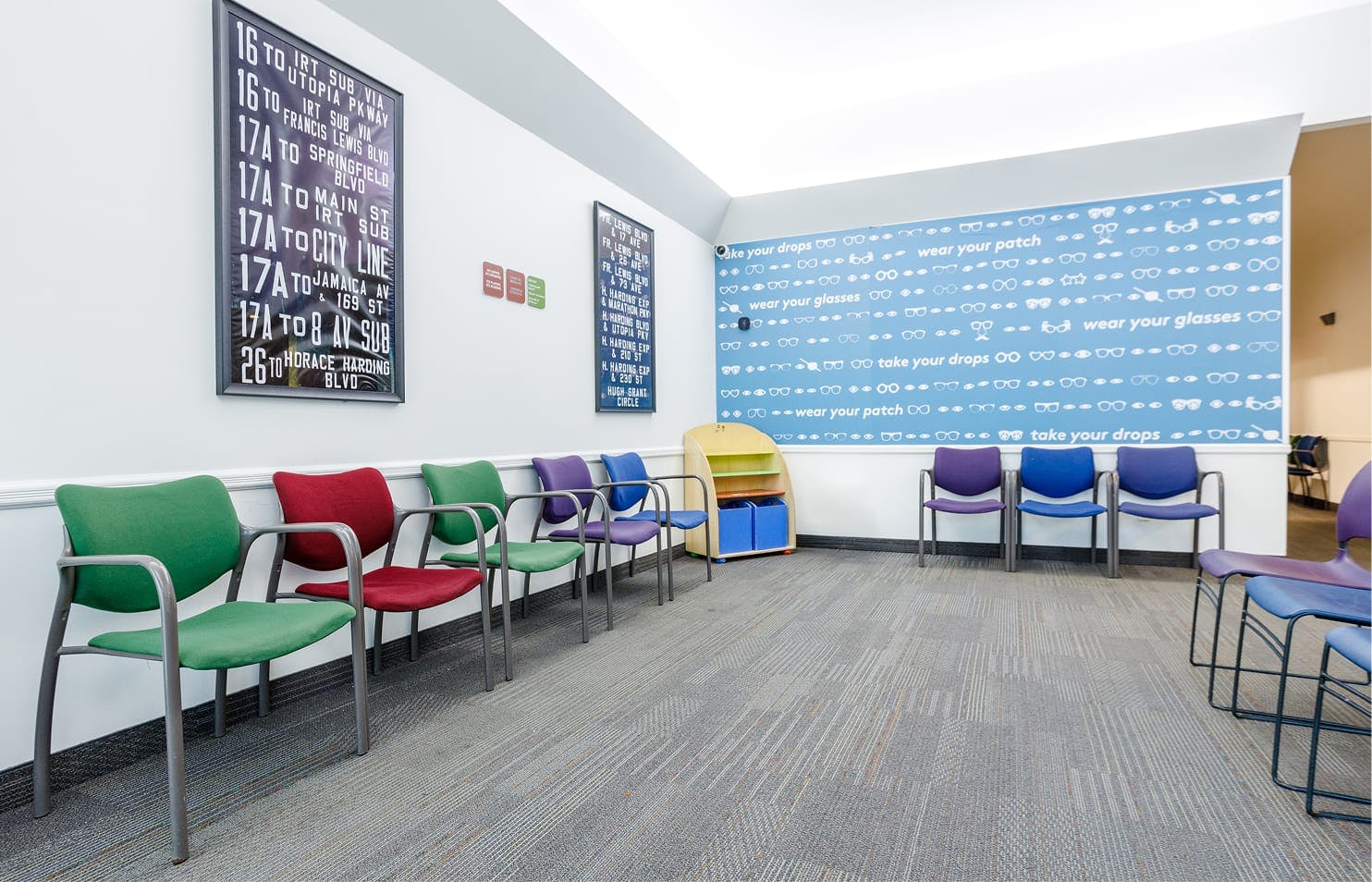
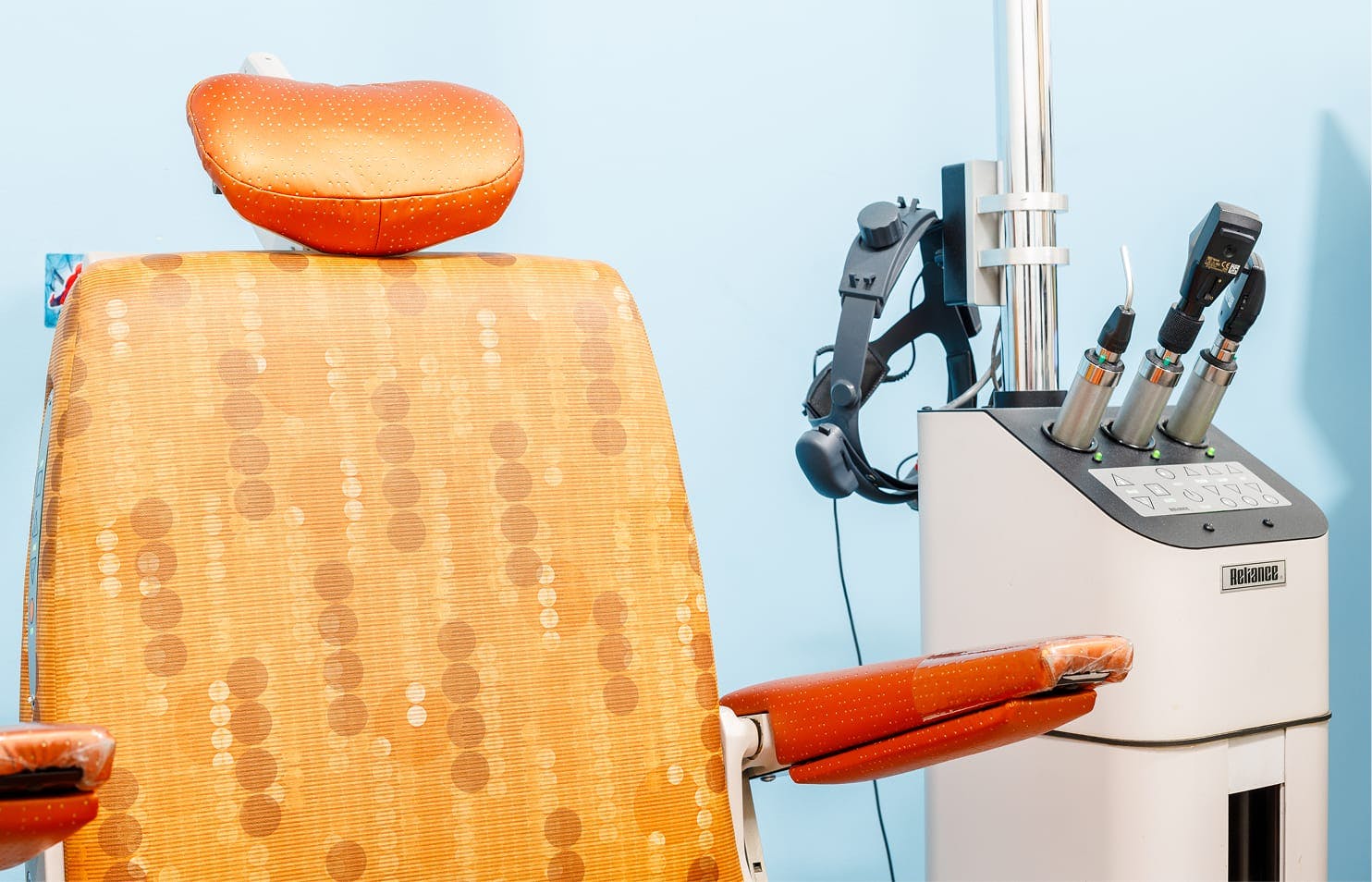
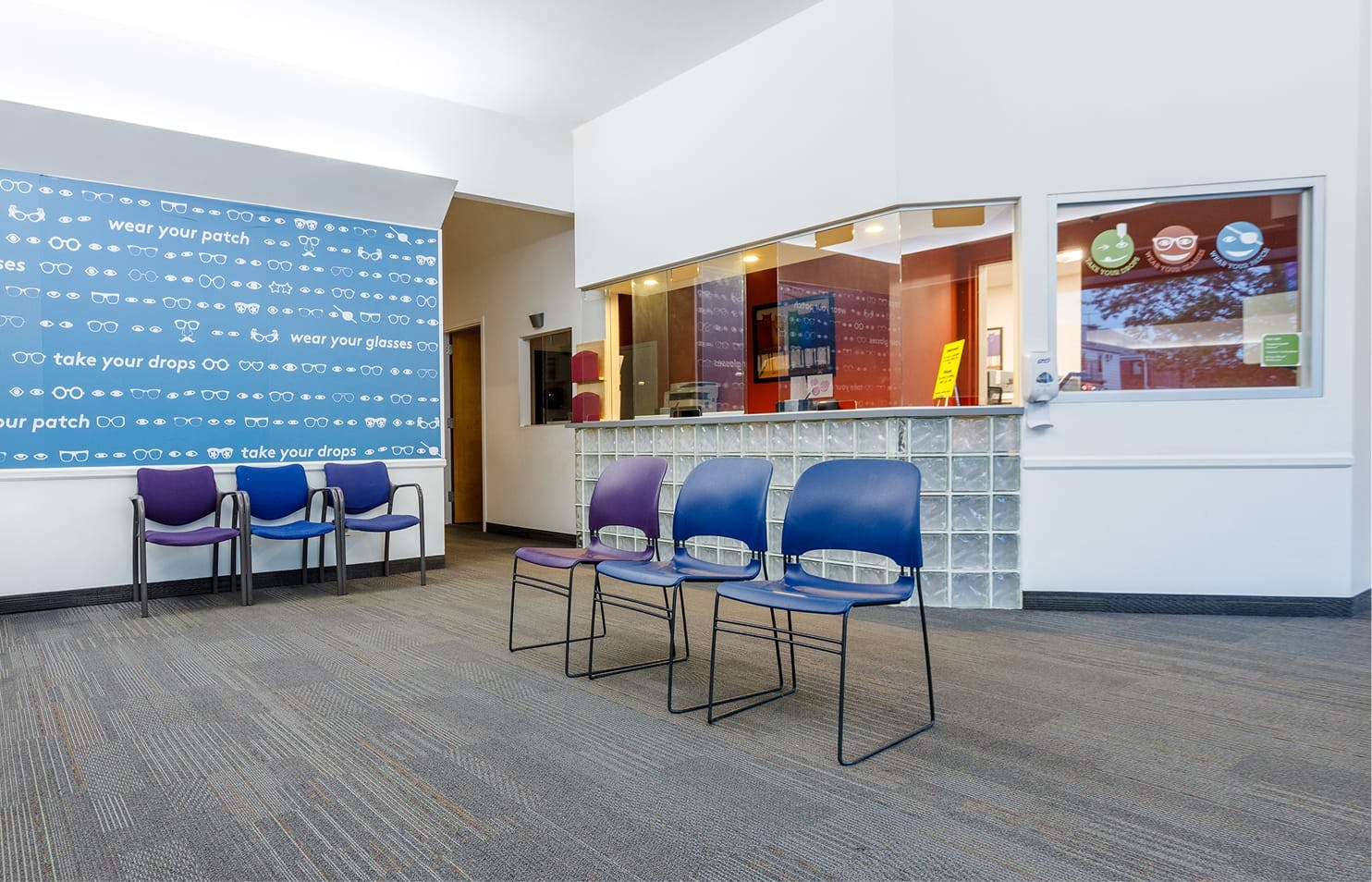
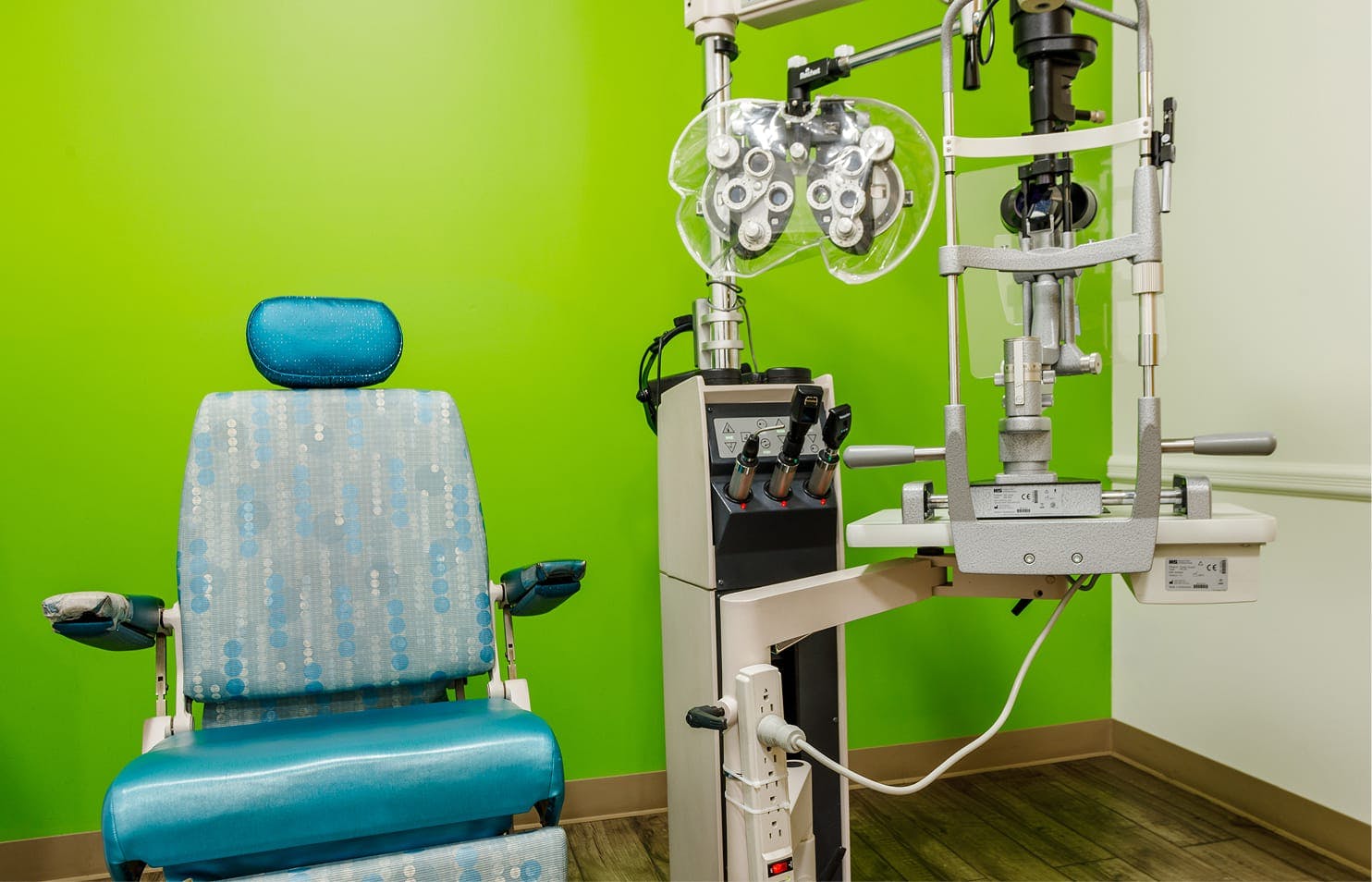
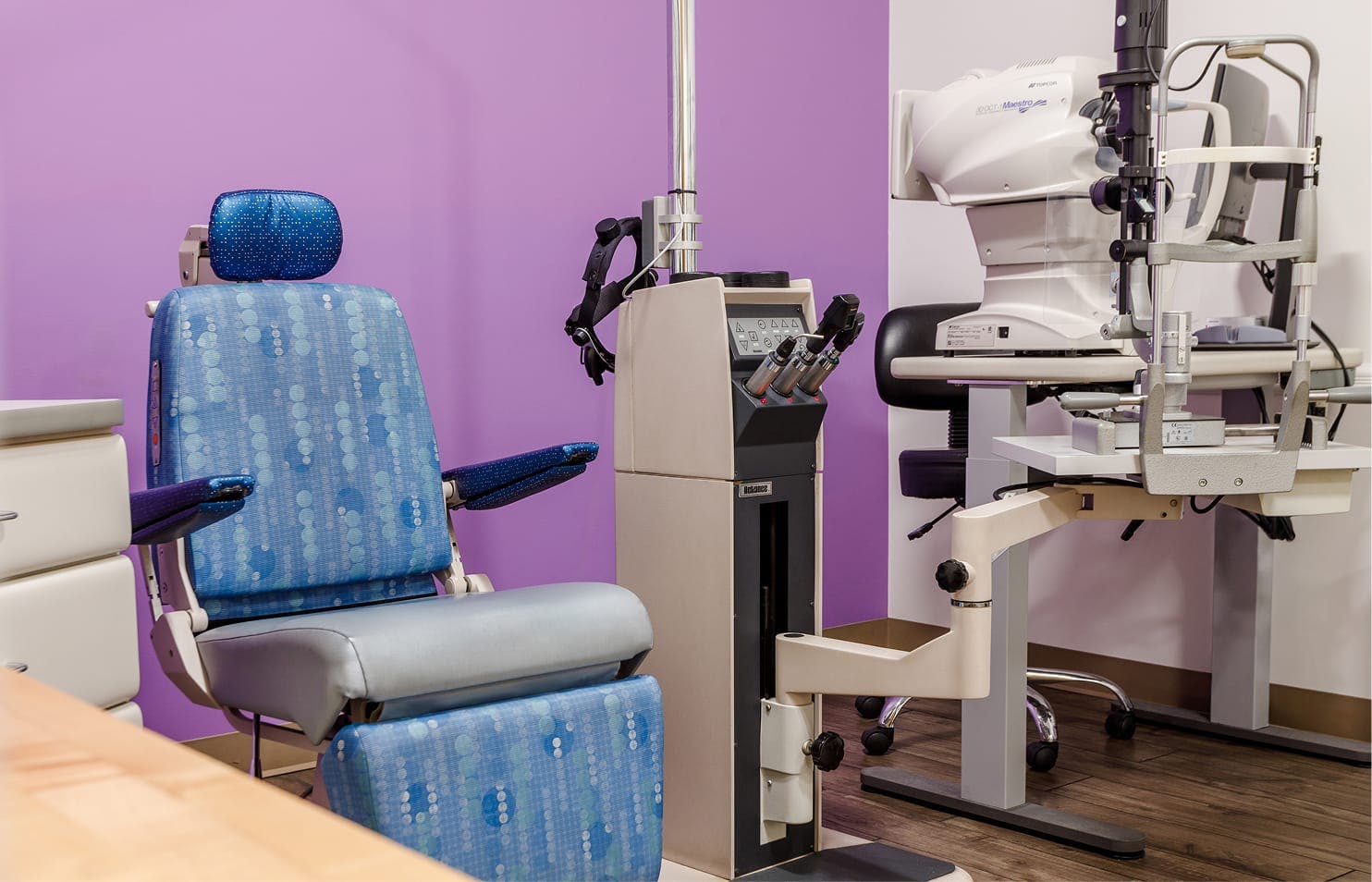

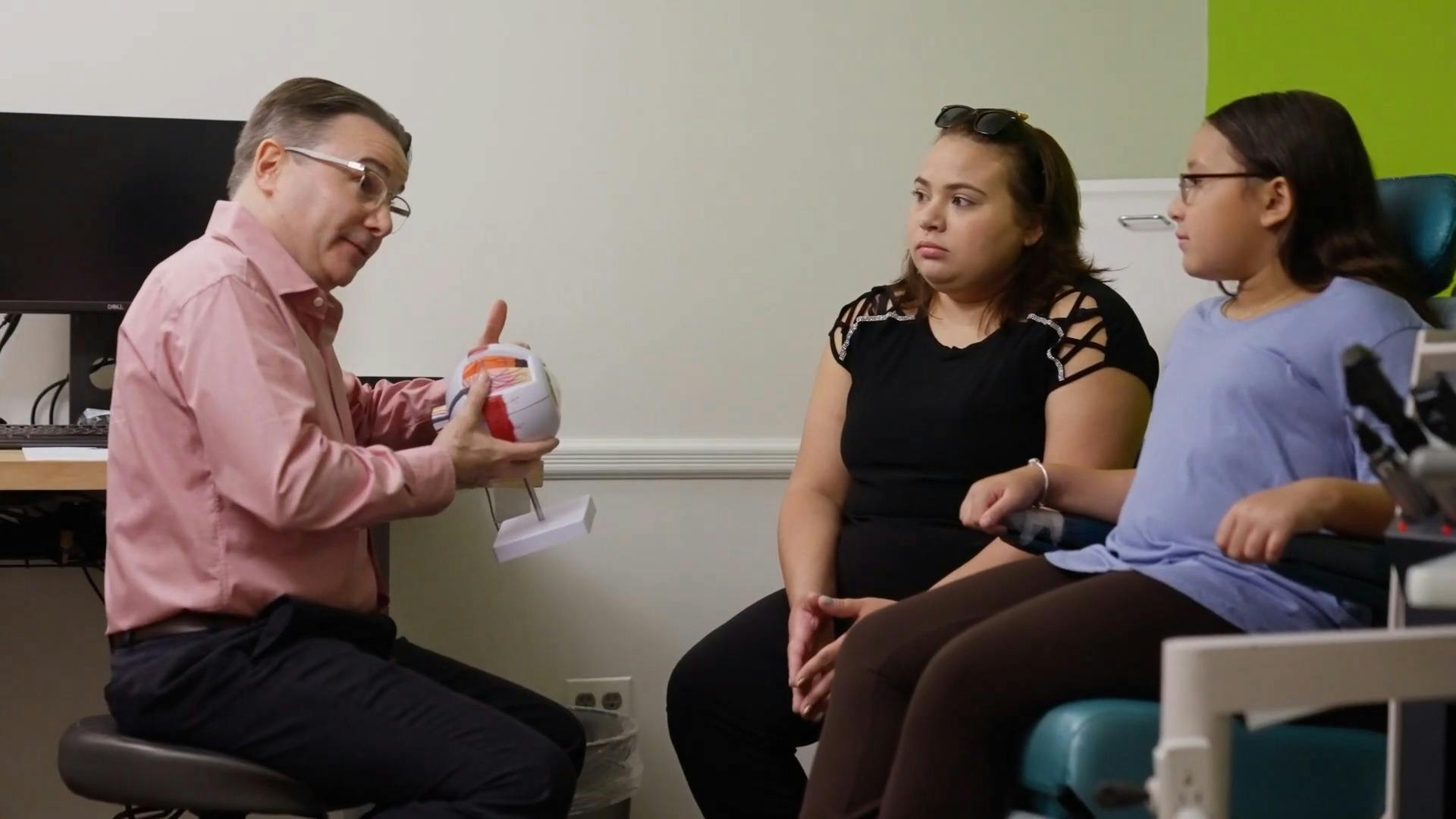
“I always will pick this office for my son! Dr. Eric L. was very knowledgeable, took his time, and explained my son’s eye progression in detail. Also made my son laugh and had a great, friendly, and professional way that I look for in a doctor.”
What is Myopia Management?
Myopia management is a comprehensive eye and vision care approach to myopia and pre-myopia that includes prevention, myopia risk assessment, early detection through screening, appropriate correction, lifestyle recommendations, interventions to reduce myopia progression and axial elongation, monitoring of refraction and axial length, and management of emerging myopia-related complications.
The goal of myopia management is to:
- Lower the risk of long-term complications like retinal detachment, glaucoma, and macular degeneration
- Reduce how quickly the prescription changes from year to year
Who Is Myopia Management For?
Myopia management is designed for children whose nearsightedness is:
- Beginning earlier than is typical (before age 8–9)
- Progressing rapidly year over year
- Often associated with a strong family history of high myopia
Early intervention is key. The younger the child, the faster their eyes may be growing—and the more opportunity we have to slow things down. If your child’s glasses prescription increases every visit, this program could be the right fit.

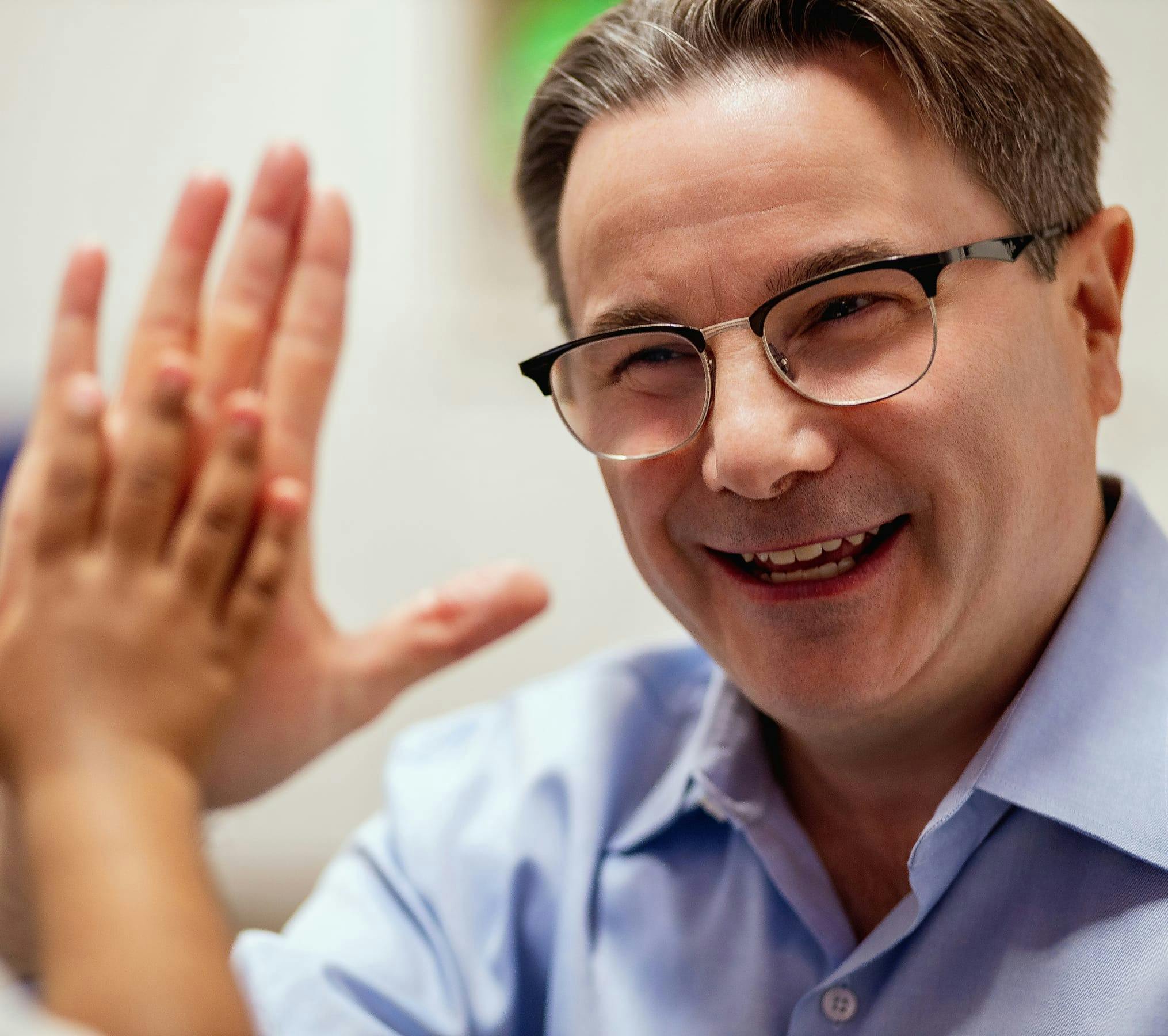
Here’s Why Families Choose Dr. Lichtenstein for Myopia Care
Dr. Lichtenstein isn’t just a board-certified, fellowship-trained ophthalmologist. He’s also a father and a natural connector. Whether your child is six months or sixteen, he knows how to meet them where they are—with warmth, wit, and confidence that helps everyone feel at ease. He takes time to answer questions, explain options, and build trust with families who’ve often felt rushed or dismissed elsewhere.

FAQs Myopia Management
Is myopia management safe for young children?
Yes. Our treatments have been studied extensively and are considered safe and well-tolerated in children. Each plan is tailored to your child’s age, health, and comfort level.
Can glasses or contacts stop myopia from getting worse?
No. Standard glasses and contacts correct blurry vision, but they don’t stop the eye from growing. That’s why myopia management focuses on slowing the progression, not just fixing the symptoms.
How do we know if the treatment is working?
We use optical biometry and refraction to track your child’s eye growth over time. By tracking these critical data, we can see how the eye is growing —and whether the treatment is slowing that growth as expected. You will receive a detailed, easy to understand copy of your child's progress report at each visit.
Will my child still need glasses?
Yes. Myopia management doesn’t eliminate the need for vision correction, but it often slows the rate of prescription change. Kids continue wearing glasses or contacts during treatment, but typically with less frequent updates.
Does insurance cover myopia treatment?
Most myopia management programs—including ours—are not covered by insurance. However, our all-inclusive annual fee includes diagnostic testing, physician consultations, the actual eyedrops and/or specialized contact lenses, and all necessary follow-up monitoring and management.
How often will we need to come in?
After your initial consultation, we typically see patients every 6 months to track progress and adjust the plan as needed. If additional visits are warranted, it is included in the annual fee and we’ll let you know well in advance— keeping everything as simple and convenient as possible.