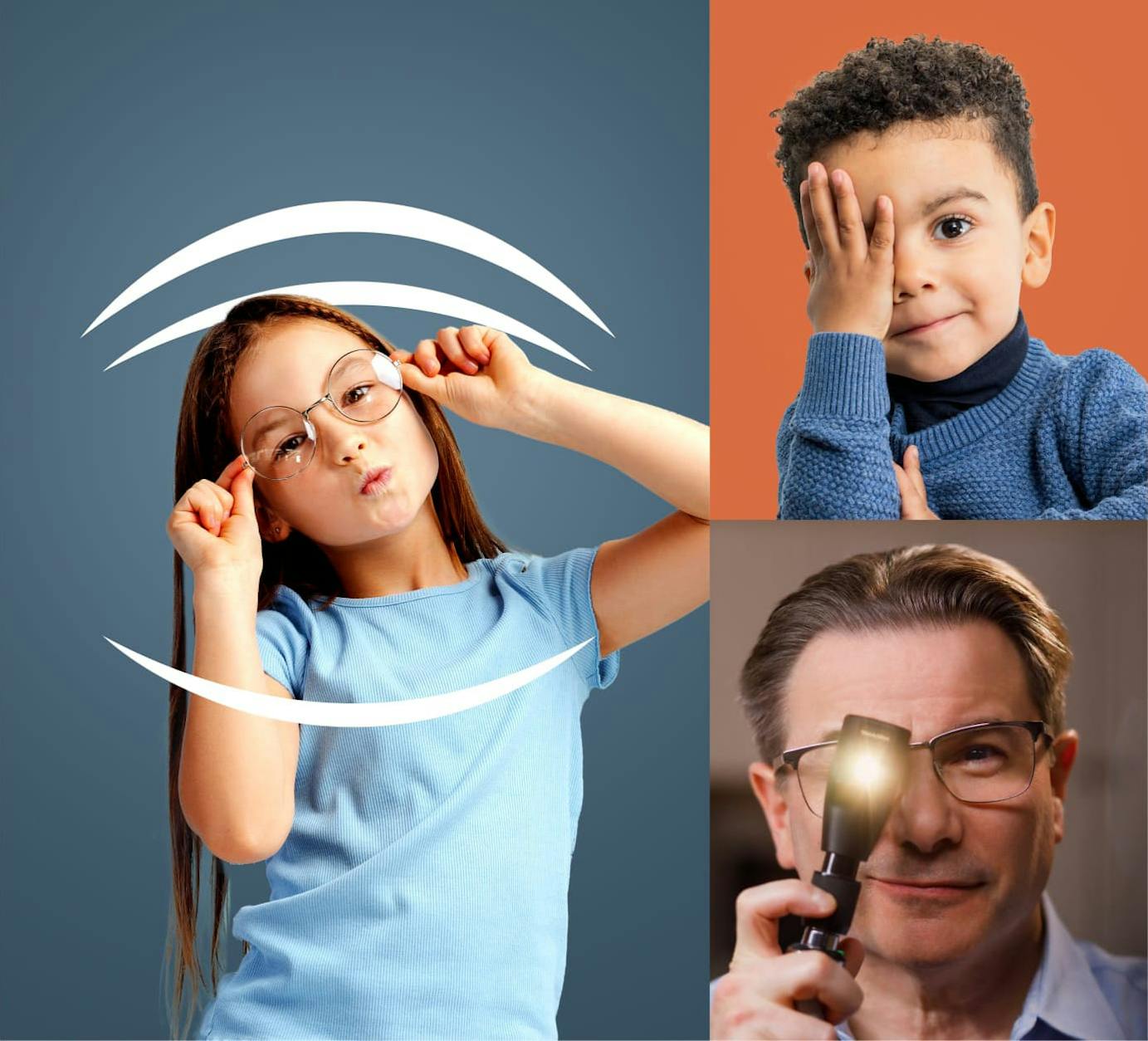
During a child’s first eight years, their brain is learning how to use their eyes. That’s why it’s important to catch emerging problems before your child’s vision and quality of life are affected. The Pediatric Eye Center’s Dr. Eric Lichtenstein has been caring for infants' and children’s eyes for over 25 years.
Pediatric Ophthalmology Queens and Nassau County

The Pediatric Eye Center’s Mission
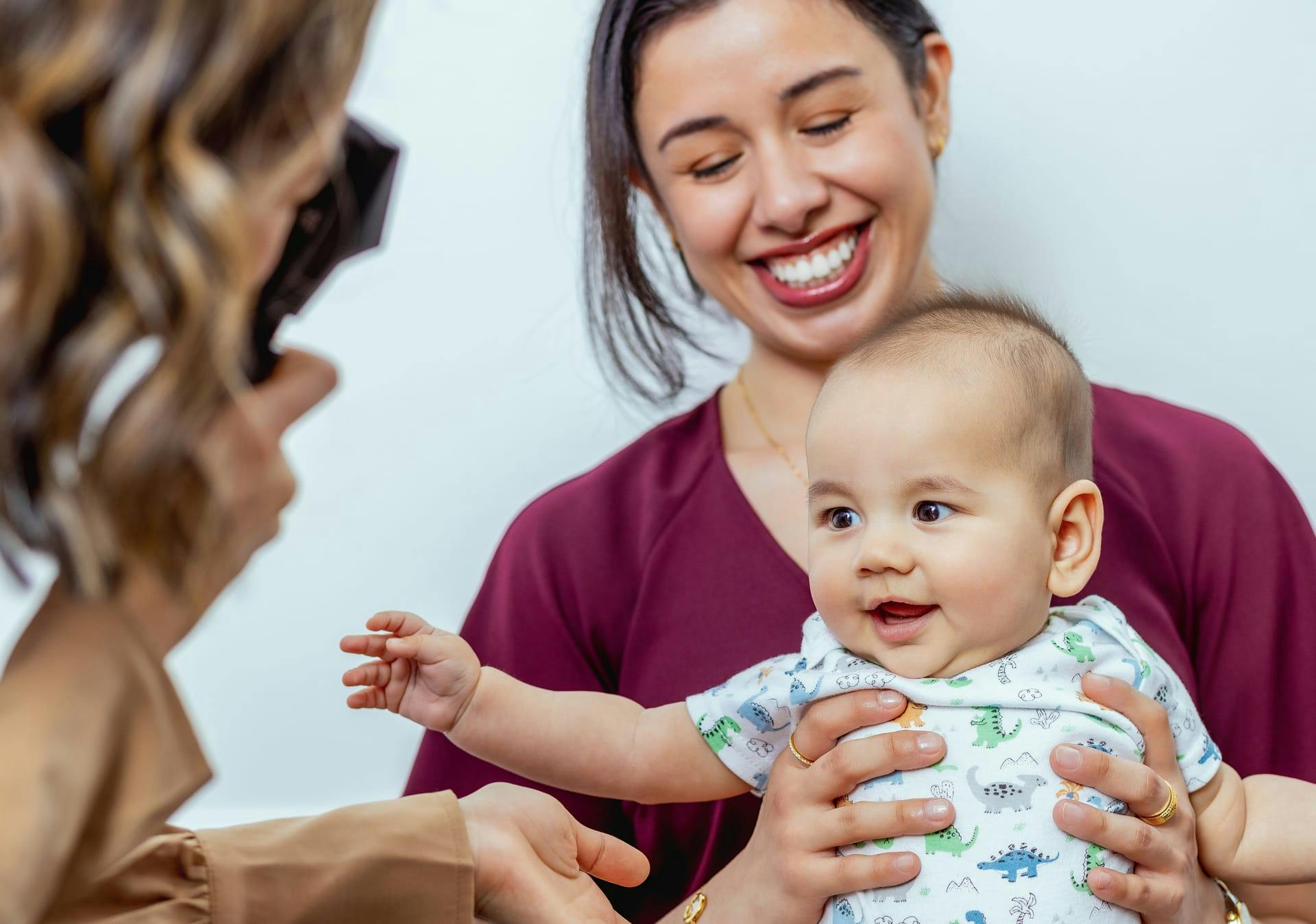
The Pediatric Eye Center has a simple but deep mission: To prevent pediatric blindness, alleviate suffering from childhood eye disease, and help adults with double vision and strabismus. In 2001, Dr. Eric A. Lichtenstein opened the first (and still the only) dedicated pediatric ophthalmology and adult strabismus practice in Queens. We’re excited to provide our Queens and Nassau County neighbors with convenient, concierge-level eye care.
World-Class Pediatric Ophthalmology
Pink Eye
Pink Eye
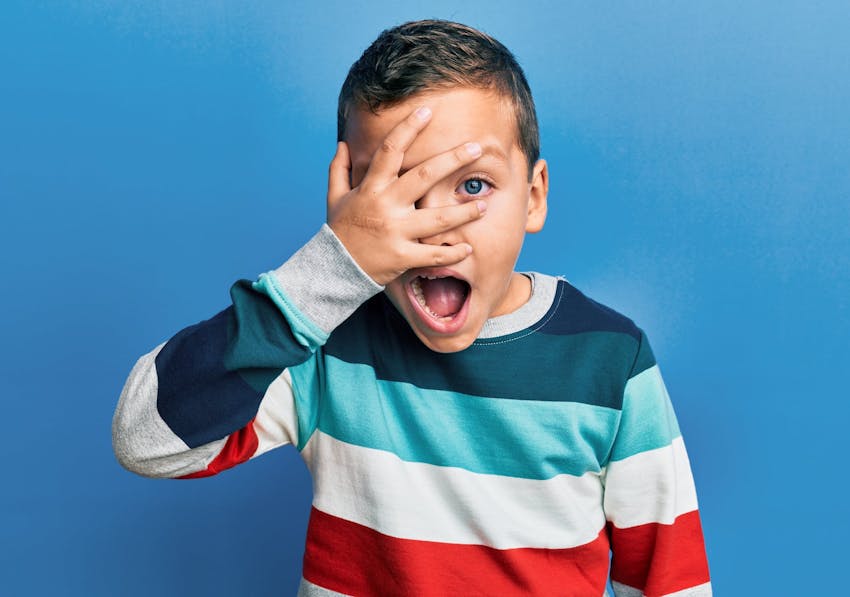
"Pink eye" doesn't mean anything! The question is: Why is the eye pink? Conjunctivitis (allergic, viral, or bacterial) is the most common cause of pink eye. But other, more serious problems can cause "pink eye," too. Inflammation inside the eye (uveitis), a foreign body stuck in the cornea, certain autoimmune eye diseases... Dr. Lichtenstein has been diagnosing and managing "pink eye" since 1995. That a long time, and he's really good at it.

Glasses
Glasses
When the cornea and lens work together to focus a crisp image on the retina, vision is clear. If the image is blurry, prescription glasses can help. At The Pediatric Eye Center, we regularly prescribe glasses for kids of all ages.
Strabismus
Strabismus
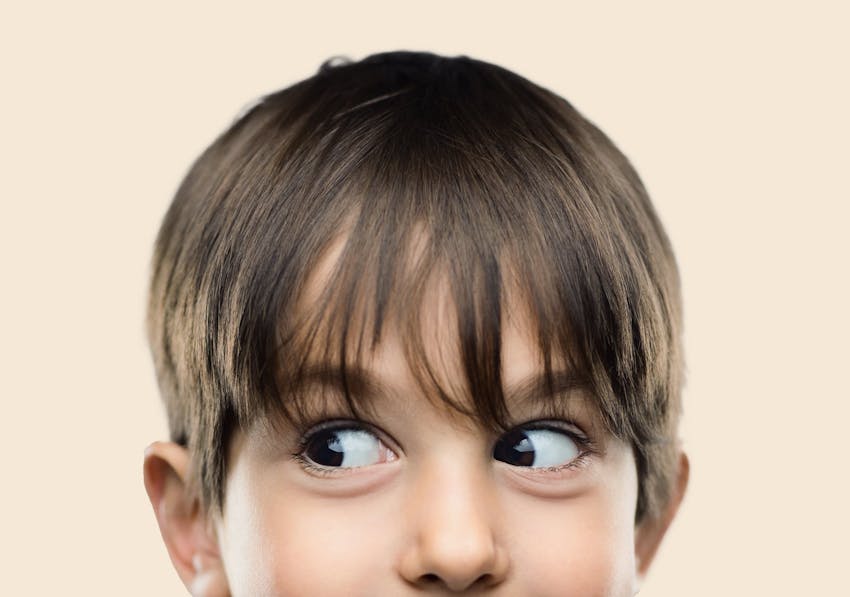
Strabismus is the medical term for eyes that point in different directions. Strabismus is common, affecting 2-3% of the population to some degree.

Amblyopia
Amblyopia
When one eye consistently sends a clearer image to the brain than the other, the brain may start to ignore the blurrier input. Over time, this can lead to amblyopia, commonly known as “lazy eye.” Dr. Lichtenstein is a leading pediatric amblyopia specialist in Queens and Nassau County.
Trusted by Pediatricians, Chosen by Families
Since 2001, pediatricians in Queens, Nassau, and Brooklyn have been referring their patients to Dr. Lichtenstein. And well-informed parents frequently refer their family members and friends to our practice. Here’s why:
We Offer Medical Expertise Second to None
Dr. Eric Lichtenstein, our practice founder, is a properly trained, very experienced, and well-respected NYC pediatric eye surgeon. Your child deserves exceptional eye care that considers and promotes their long-term visual health. For more than 25 years, he has provided infants and children with high-level eye care.
We Provide Child-Focused Care (With a Touch of Humor)
Every young patient benefits from the same superior care we’d provide to our own children. Our kid-friendly team members relate well to their young patients and know how to get as much information as possible with as little fussing as possible. Whether it’s a toy, a story, or a perfectly timed dad joke, we know what works.
We Keep Your Child’s Long-Term Visual Health at the Forefront
Every patient deserves our best, especially our children. We don’t race through appointments so we can stay on schedule. We also don’t serve up generic prescriptions that may not correctly address your child’s problem. Dr. Lichtenstein takes the time to understand (and properly address) your child’s needs.

You Deserve Honest Care Dr. Lichtenstein Sets Realistic Expectations
We don’t deliver unclear diagnoses or promise specific treatment outcomes. Taking that approach is simply not the right way to do things. Dr. Eric Lichtenstein grew up in Queens, is a proud graduate of New York City schools, attended NYU as an undergraduate, and completed almost all of his clinical training in Manhattan. He is a New Yorker through and through and delivers top-notch medical care directly, honestly, and with kindness. Twenty-five years of clinical and surgical experience position Dr. Lichtenstein to have honest, respectful discussions with parents. He’ll clearly explain your child’s medical issue and provide a carefully crafted treatment plan. Just as importantly, Dr. Lichtenstein takes time to answer your questions and address your concerns.

A Little Boy with an Eye Tumor: Testimonial
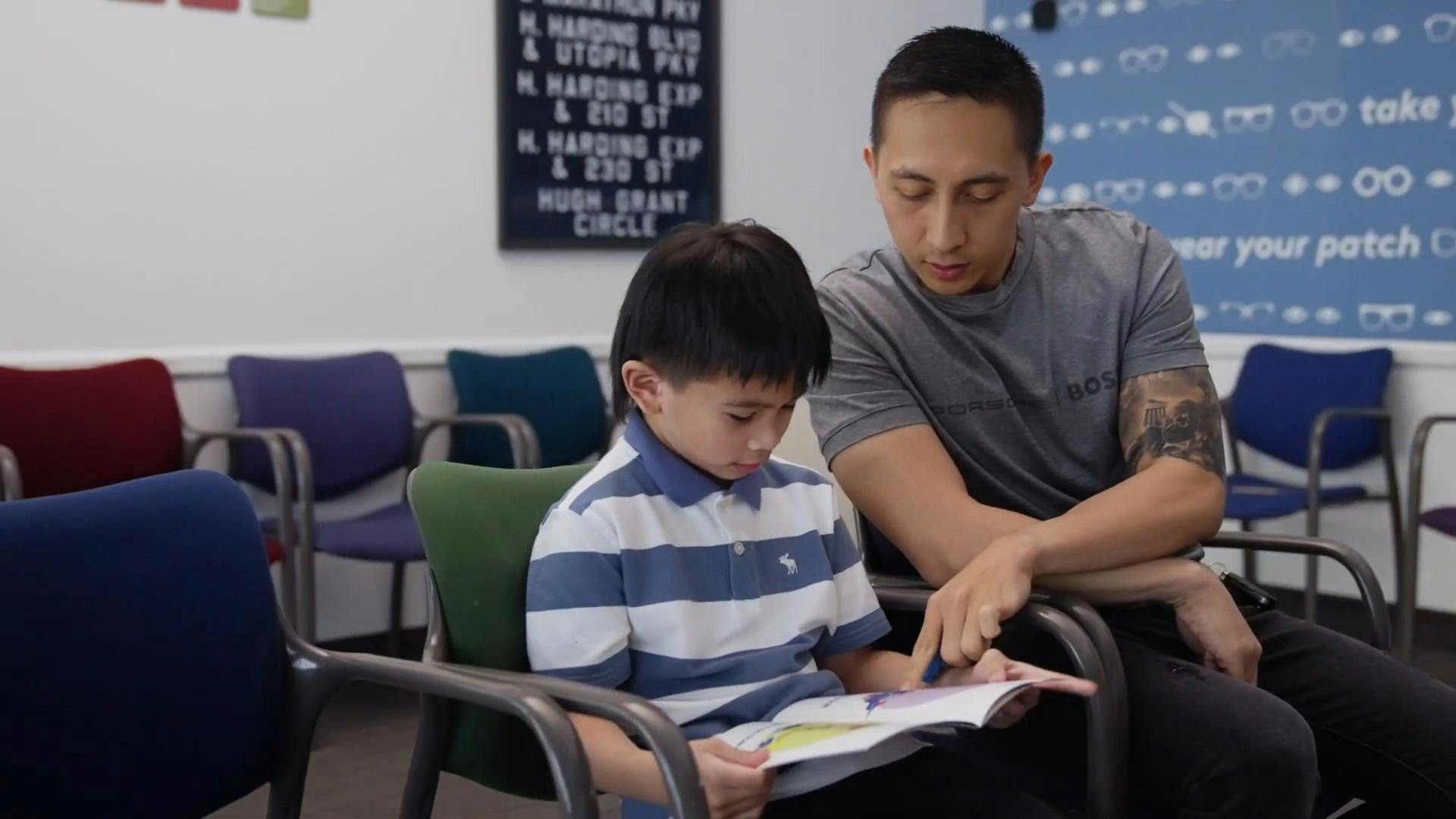

"Truly, don’t even know where to start. Dr. Lichtenstein was phenomenal! He knows exactly what he’s doing and does it well. Thank you for such a great experience and making my son comfortable and excited for his appointment."
Our Well-Equipped Pediatric Eye Care Office
The Pediatric Eye Center is delighted to serve our Queens and Nassau County communities. Our Fresh Meadows location is built for pediatric ophthalmology. We are not a general ophthalmology office that “sees children.” Rather, we are a pediatric ophthalmology office that “sees adults” with strabismus. We offer the latest and best diagnostic technology. Whether your child needs a pair of glasses or complex eye surgery, Dr. Lichtenstein and his team are ready to help.

Pediatric Ophthalmology FAQs
At what age should my child have their first eye exam?
Earlier than most parents expect. The American Association for Pediatric Ophthalmology and Strabismus recommends vision screening beginning at birth, with a formal eye exam as early as six months if a concern comes up. Many children have their first comprehensive exam between ages three and five, though a pediatrician referral can move that up at any point.
What is the difference between a pediatric ophthalmologist and a pediatric optometrist?
A pediatric ophthalmologist is a medical doctor with residency training in ophthalmology and a fellowship specifically in pediatric eye care. That training covers diagnosis and surgery. A pediatric optometrist focuses on vision testing, glasses prescriptions, and non-surgical care. The Pediatric Eye Center has both, so families do not have to go elsewhere when needs go beyond a routine exam.
Will my child need to be dilated at their exam?
Most of the time, yes. Dilation drops temporarily widen the pupil so the doctor can evaluate the retina, optic nerve, and get an accurate read on your child's full prescription. The drops take about 20 to 30 minutes to work, and vision stays blurry for a few hours after the exam, so keep that in mind when you are scheduling the day.
My child passed a school vision screening. Do they still need an eye exam?
Yes, and this is one of the most common misconceptions we encounter. School screenings test distance vision and not much else. They routinely miss farsightedness, astigmatism, binocular vision problems, and early amblyopia. A pass on a school screening is not the same as a clean bill of eye health. A comprehensive exam with a pediatric specialist is a different thing entirely.
How is a pediatric eye exam different from an adult exam?
Significantly. A child who cannot read a chart or reliably describe what they see requires a different approach altogether. Pediatric exams rely on objective testing methods, including retinoscopy, that measure the eye directly without needing a verbal response. The exam also covers visual development and binocular function in ways that a standard adult exam simply does not.
What causes childhood cataracts, and how are they treated?
Cataracts in children can be present at birth, develop in early childhood, or result from trauma or certain medical conditions. When a cataract is dense enough to interfere with vision, surgical removal is usually the right call. Speed matters here: the visual system is still actively developing in young children, and a dense cataract left untreated can lead to amblyopia that becomes much harder to reverse.
Can eye conditions affect my child's performance in school?
More often than people realize. A child struggling to read, losing their place on the page, or avoiding close-up work may have a vision problem rather than a learning or attention issue. The two can look nearly identical from the outside. A thorough eye exam will not catch every cause of academic difficulty, but it is an important piece to rule out early.
What is uveitis, and should I be concerned if my child is diagnosed with it?
Uveitis is inflammation inside the eye. It can occur in children with juvenile idiopathic arthritis or other autoimmune conditions, sometimes with no outward symptoms at all, which is what makes it particularly tricky. Left unmanaged, it can lead to serious complications including cataracts, glaucoma, and vision loss. A pediatric ophthalmologist with experience managing uveitis is an essential part of the care team for children at risk.
Does The Pediatric Eye Center see newborns?
Yes. The team is experienced evaluating infants from the earliest weeks of life, including newborns referred by pediatricians or the NICU. Early evaluation is especially important with a family history of significant eye conditions, a premature birth, or any concern flagged during a routine pediatric checkup.