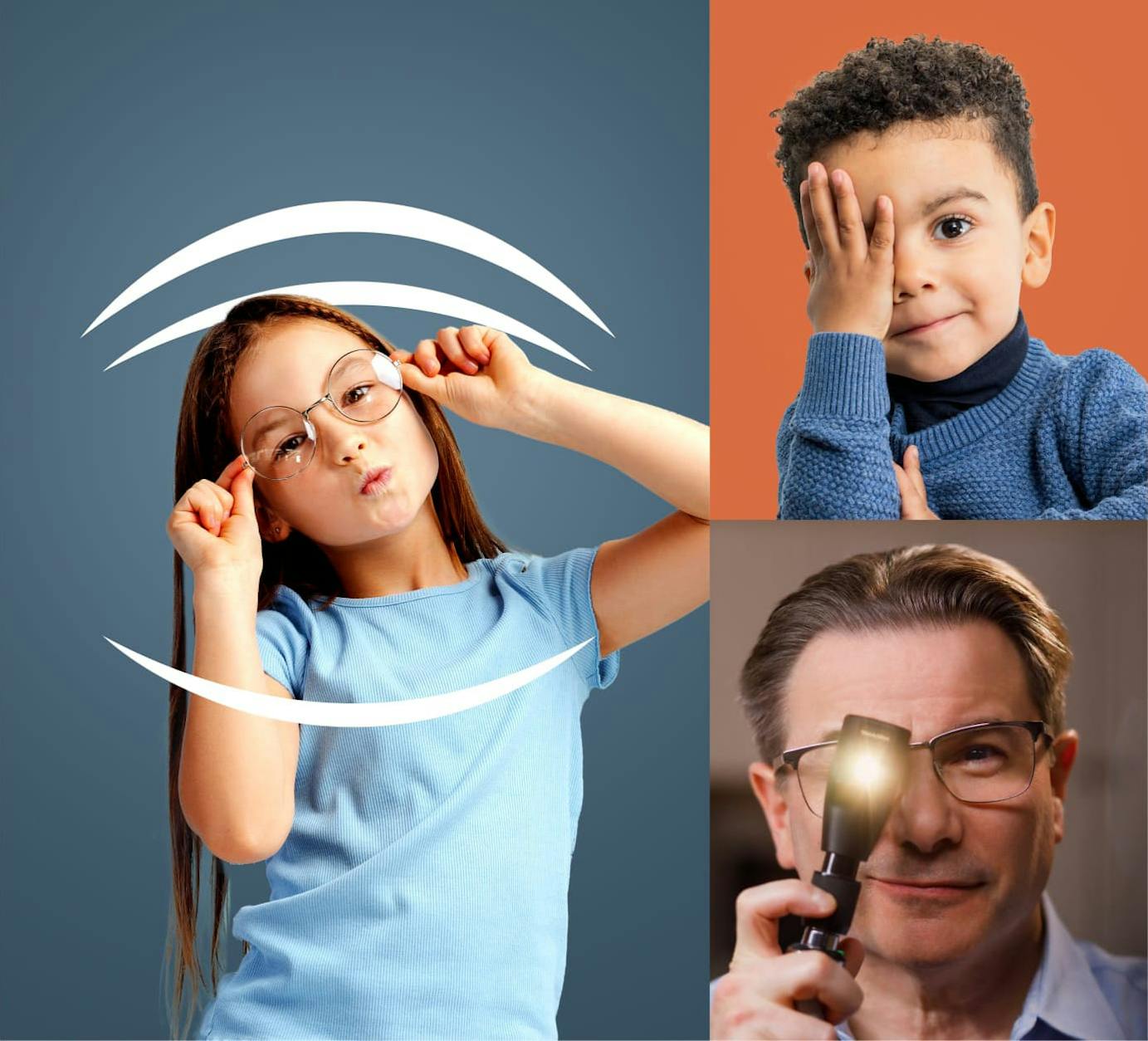


If your child's glasses prescription seems to change every time you visit the eye doctor, it is worth asking a deeper question: what is actually happening inside their eye, and what does it mean for their future vision?
Myopia is often treated as a straightforward vision problem, something corrected with a new pair of glasses and addressed at the next annual exam. The reality is more complex, and the stakes are higher than many families realize.
Myopia Is More Than Blurry Distance Vision
Nearsightedness develops when the eye grows longer than it should. Glasses and contact lenses can correct the blurriness that results, but they do not address the underlying growth pattern driving it.
That distinction matters. The longer the eye grows, the greater the lifetime risk of serious eye disease, including:
- Retinal detachment
- Glaucoma
- Early cataracts
- Myopic macular degeneration
These are not minor inconveniences. They are vision-threatening conditions that become increasingly likely the more the eye elongates over time. This is why the medical community now understands myopia as a condition that requires long-term management, not just periodic prescription updates.
Why Childhood Is the Critical Window
Children's eyes grow quickly, particularly before the age of 10. When myopia develops early or progresses rapidly year over year, the window to intervene is narrow, and the opportunity to make a meaningful difference is greatest.
Early intervention allows Dr. Eric Lichtenstein to establish a baseline, track axial eye length over time, and apply evidence-based treatments before excessive elongation occurs. Even a modest reduction in eye growth during childhood can meaningfully lower a patient's risk of serious disease decades later.
What Myopia Management Actually Involves
Effective myopia management is not about selling a specific lens or drop. At The Pediatric Eye Center, Dr. Lichtenstein's approach centers on four core steps: measuring what is actually happening in the eye, interpreting each child's individual risk, selecting treatments thoughtfully based on that risk profile, and monitoring progress at regular intervals to adjust the plan as the child grows.
Axial length measurement, which is the gold standard for tracking how the eye is physically growing, is central to this process. It provides objective data that prescription changes alone cannot offer, allowing Dr. Lichtenstein to assess whether treatment is genuinely slowing eye growth or simply keeping up with it.
Not All Myopia Programs Are the Same
Many myopia management programs are offered through optical shops or retail clinics with limited diagnostics and a one-size-fits-all approach. The Pediatric Eye Center is different. Dr. Lichtenstein is a board-certified, fellowship-trained pediatric ophthalmologist with over 25 years of experience caring for children with complex eye conditions. His program is physician-led from start to finish, grounded in clinical judgment rather than a preset product pathway.
For families in Queens, Nassau County, and the greater tri-state area, that distinction is significant. Managing a child's myopia well requires medical expertise applied consistently over time, and not a single appointment and a standard prescription.
Take the Next Step
If your child's prescription is increasing year over year, or if myopia runs in your family, now is the time to have a conversation about management rather than just correction.
Schedule a consultation with Dr. Lichtenstein at The Pediatric Eye Center today. Early action gives your child the best chance at healthy vision for life.