
View Other Patients

Mathew:
Clinical Context
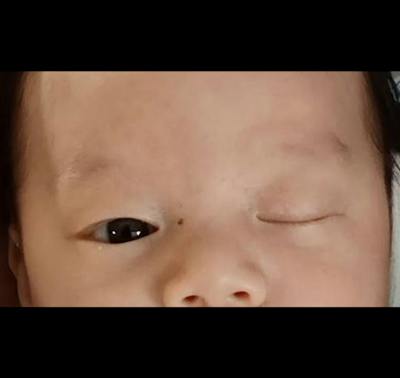
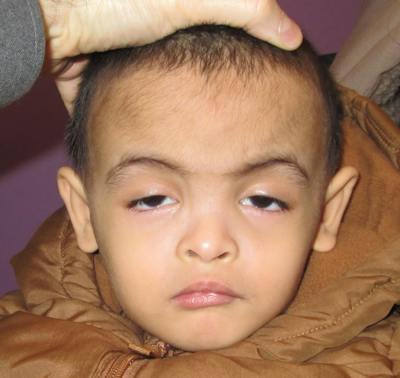
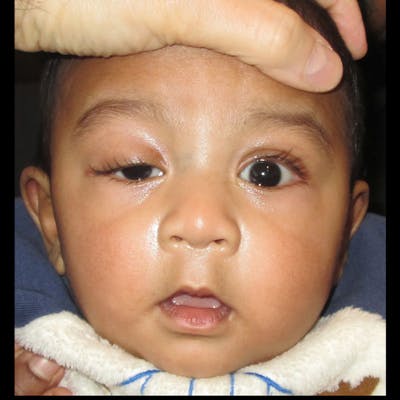
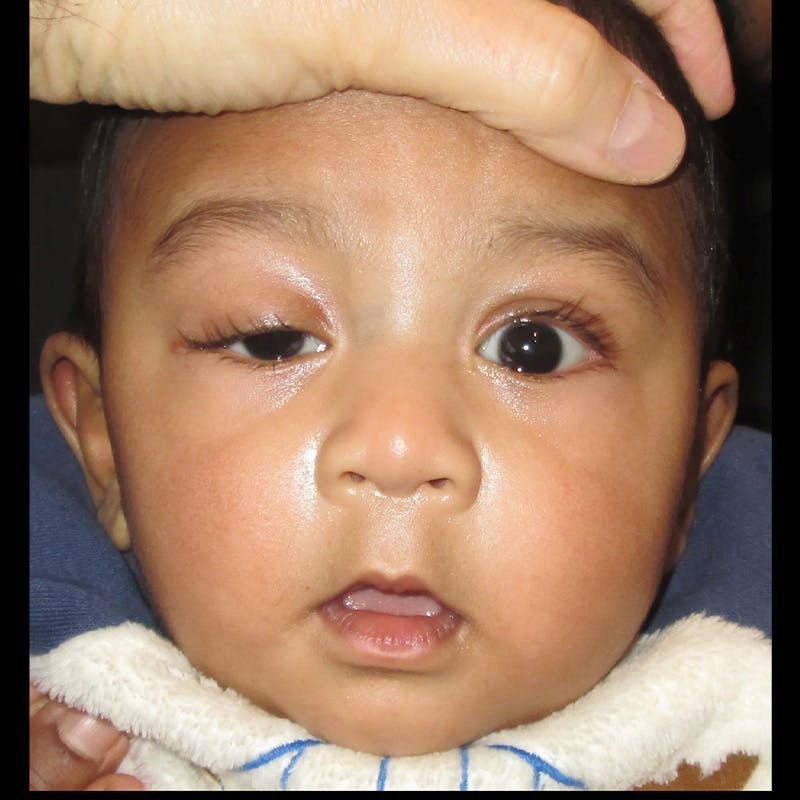
This patient was born with a drooping upper eyelid (ptosis) that partially covered the pupil and interfered with vision. On examination, the light of a camera flash reflected normally from the unaffected eye but not from the affected eye, confirming that his visual axis was blocked.
Developmental Considerations
When an eyelid obscures the pupil during early childhood, there is an increased risk of amblyopia, or impaired visual development. This risk is often greatest in children who do not consistently adopt a chin‑up posture, as the eye remains blocked during critical periods of visual maturation.
Some children compensate by habitually holding their chin up to see beneath the eyelid. While this adaptation may help maintain vision, a persistent chin‑up head position represents an abnormal posture and, over time, can contribute to musculoskeletal changes of the neck and influence facial and midface development during growth.
Surgical Treatment
I performed a short procedure (approximately 20 minutes) using a silicone frontalis suspension sling to elevate the eyelid and clear the visual axis.
Post‑operative Outcome
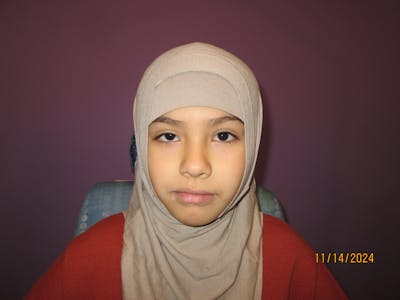
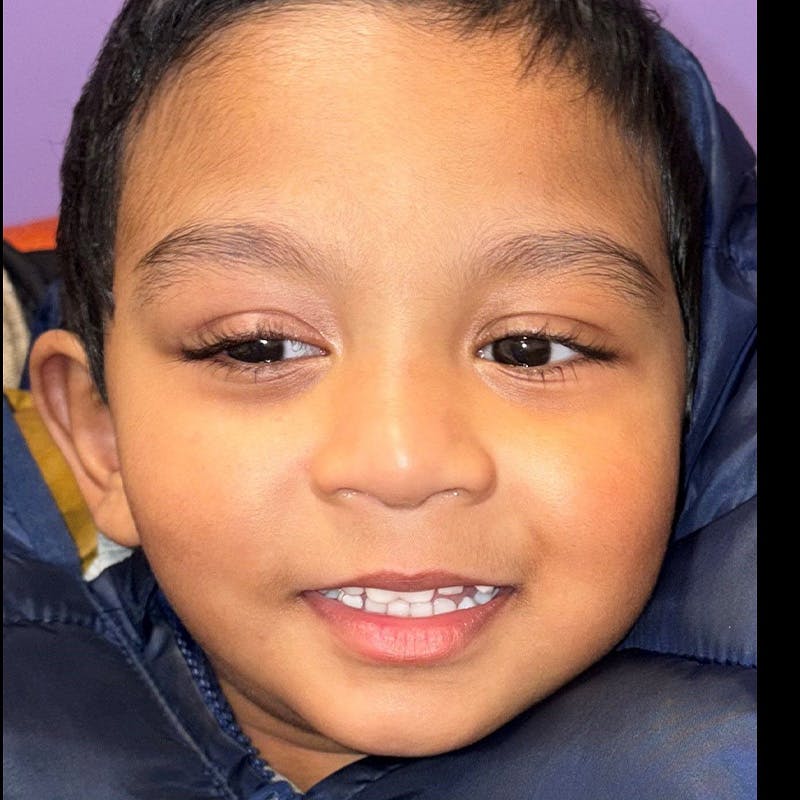
The primary goals of pediatric ptosis repair are to support normal visual development and allow the child to hold their head in a natural position. Postoperatively, eyelid position was improved, the pupil was no longer obstructed, and incisions were minimal and well concealed.