

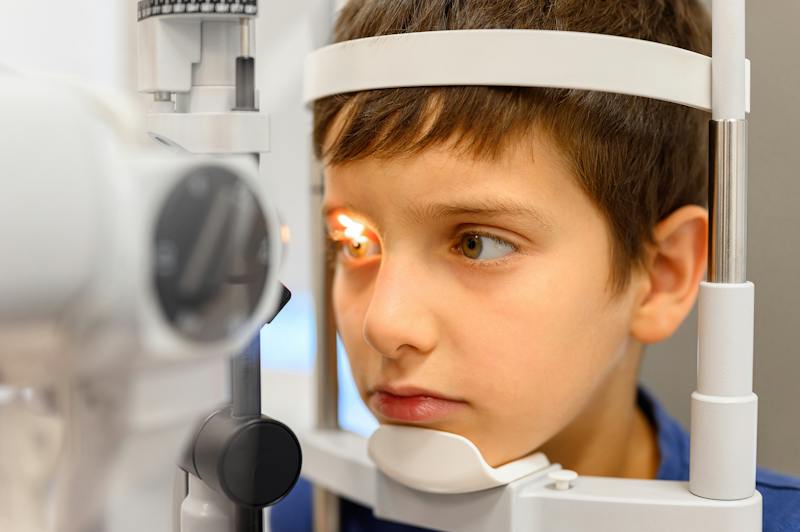
It is completely normal to feel nervous when your child needs eye surgery. And if you are the patient, it is completely normal to be nervous yourself.
In my practice, the operations I perform are strabismus surgery, to improve eye alignment, and pediatric oculoplastic surgery, involving the eyelids and structures around the eye. Children receive general anesthesia so they are comfortably asleep and still during surgery.
A little preparation can make the day much easier. The goal isn't to convince a child that surgery is fun. It's to help them understand what will happen and feel safe.
What Should I Tell My Child?
My advice is to tell the truth, keeping it simple and appropriate for your child's age.
For strabismus surgery, you might say:
“Dr. Lichtenstein is going to help make your eyes straighter. You'll take a special nap while he does it, and you'll wake up when he's finished.”
For eyelid surgery:
“Dr. Lichtenstein is going to fix your eyelid while you take a special nap. When he's finished, you'll wake up.”
Young children do not need a detailed explanation of surgical anatomy. Explain what they will experience, rather than exactly what I will do technically.
And one surprisingly common worry deserves a very clear answer:
We do not take the eye(s) out during these kinds of surgery. Ever.
The eye stays exactly where it belongs! Strabismus surgery is performed on the muscles attached to the outside of the eye and oculoplastic surgery is performed near – but not on – the eye.
Different Ages, Different Worries
Children don't necessarily worry about the things adults expect them to worry about.
Younger children may worry about blood
Young children tend to think very concretely. Words such as “cutting,” “bleeding,” or graphic descriptions of surgery can create frightening pictures in their minds without helping them prepare.
They don't need those details.
Tell them what they are likely to experience and reassure them that you'll be there before and after.
Older children and tweens may worry about privacy
Older children sometimes have a question they're embarrassed to ask: “Am I going to be naked during surgery?”
No. They will not be naked, and nobody is checking under their clothes. Their privacy is respected. The surgical team's attention is on safely caring for them and performing their eye or eyelid procedure.
Simply answering that question directly can remove a worry they may be embarrassed to mention.
Be thoughtful about saying “go to sleep”
This one is particularly important.
Many children have heard adults explain a death by saying that a grandparent, another relative, or even a beloved pet “went to sleep.”
Then we tell that child that we're going to “put them to sleep.”
To an adult these expressions mean completely different things. To a young child, they may not.
I prefer: “The anesthesia medicine will help you take a special nap. The doctors and nurses will be watching and taking care of you the whole time, and when the operation is finished, you'll wake up.”
Don't Promise That Nothing Will Hurt
I don't recommend telling a child, “Nothing is going to hurt.”
After surgery, an eye may feel sore, irritated, or simply strange. A promise that nothing will hurt can unintentionally make a child more frightened if they later experience discomfort.
Instead, try:
“Your eye might feel a little sore or funny afterward, but we'll take care of you.”
That's honest without being scary.
Ask What They're Actually Worried About
Try asking: “Is there anything about surgery that you're worried about or want to ask me?”
Then listen.
You may discover that your child isn't worried about the operation at all. They're worried about a needle, being away from you, whether they'll wake up, missing school, whether they'll be naked, or what their eye will look like afterward.
If you don't know the answer, don't guess: “That's a good question. We'll ask Dr. Lichtenstein or the anesthesia doctor.”
Your Child Is Watching You, Too
This may be the hardest part for parents.
You are allowed to be nervous. This is your child.
But children are remarkably good at picking up on our emotions. You don't have to pretend surgery is fun or act artificially cheerful. Just try to give them the message that the adults have this under control.
Something as simple as this works well:
“It's okay to be nervous. You're going to have a whole team taking care of you, and I'll be with you before and after.”
If you have questions about complications or other issues that might frighten your child, we can discuss those separately.
Follow the Instructions You Receive
There are also a few practical responsibilities for parents.
The anesthesia team will review your child's medical history and provide instructions about eating, drinking, and medications before surgery.
Please follow the fasting instructions you receive exactly.
These instructions are important for anesthesia safety and can vary depending on age and individual circumstances. Follow the instructions from your child's surgical facility and anesthesia team rather than a generic schedule found online.
What If I'm the Patient?
Adults can get nervous about eye surgery, too.
In some ways, we make it harder on ourselves because we're very good at imagining everything that could possibly happen.
If you're having strabismus surgery yourself, focus first on the questions that actually need answers:
- What are we trying to accomplish?
- What should I expect afterward?
- What are the important risks and limitations?
- What will recovery be like?
- What type of anesthesia will I receive?
Adults undergoing strabismus surgery may have general anesthesia or local anesthesia with sedation depending on the situation.
And if you're anxious, tell us.
You don't get extra credit for pretending you're not nervous!
Ask your questions. Follow your preoperative instructions. Make arrangements for getting home and for whatever help you may need afterward.
Then let us take care of the surgery.
The Bottom Line
You don't have to convince your child that surgery is wonderful.
You just need to help your child feel safe.
Tell them what is going to happen in words they can understand. Don't overwhelm them with details they didn't ask for. Find out what they're actually worried about. Reassure them about the things that matter to them.
And remember:
Their eyes are not going to be removed. They will not be left alone to navigate this. And after their special nap is over, they will wake up and you'll be there.
If you're the patient rather than the parent, give yourself the same permission to be nervous and to ask questions.
Knowing what to expect and trusting the people taking care of you can make surgery feel much less frightening.