View Other Patients
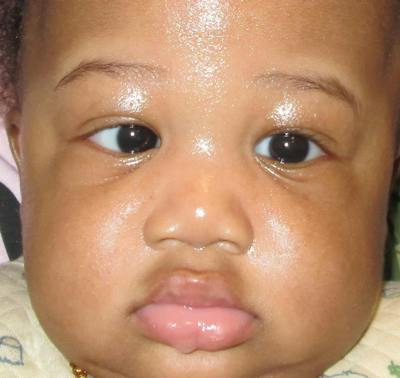
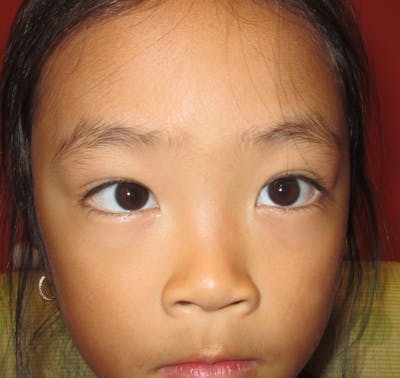
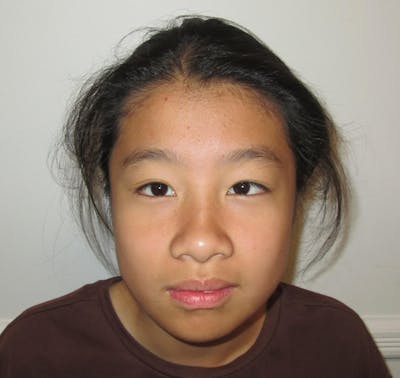
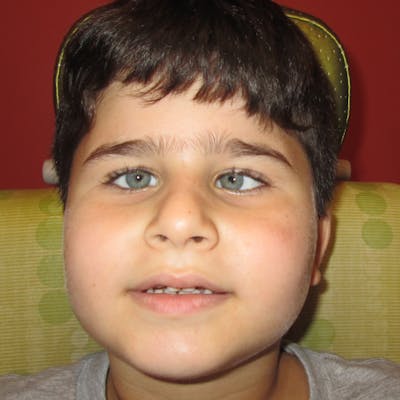
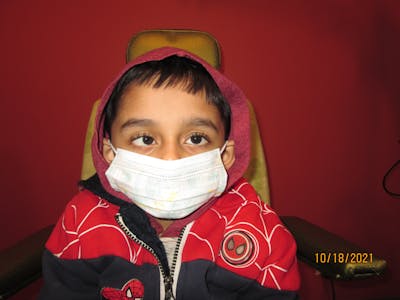
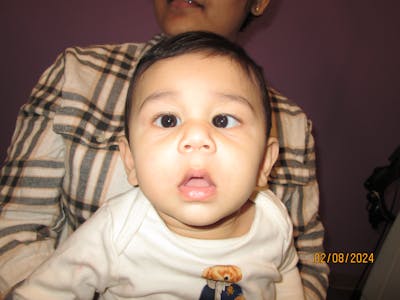
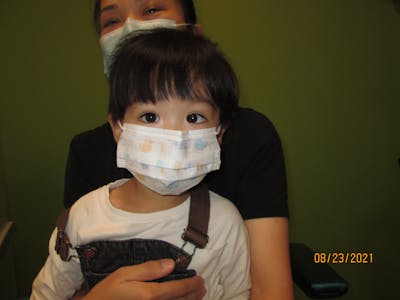
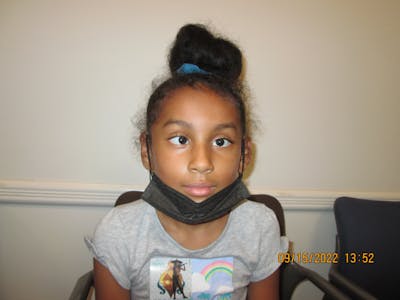
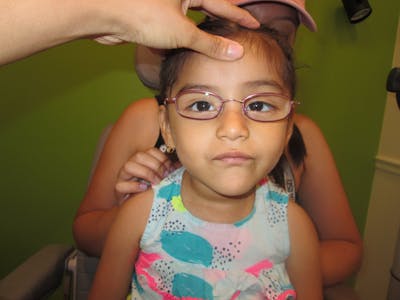

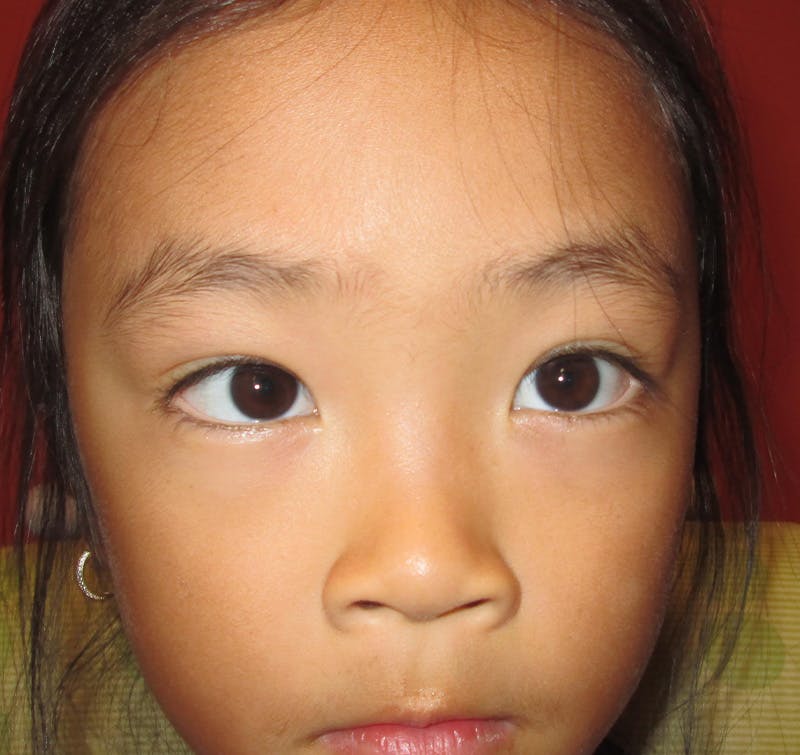
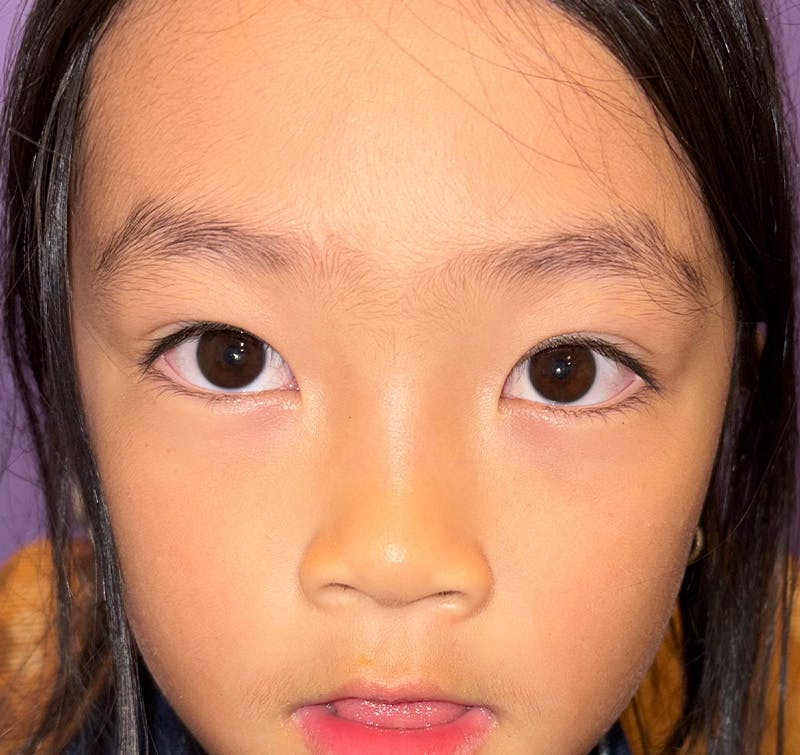
This brave big girl came to see me in early September 2025 after her eyes suddenly turned inward (esotropia) and she developed double vision just four days earlier.
Based on a careful history and detailed exam, my clinical judgment was that this represented an isolated eye‑muscle alignment problem and did not require brain imaging or a neurology evaluation.
A few weeks later, we proceeded with a focused eye muscle surgery that took about 20 minutes.
Now, six months later—as you can see in both the photos and her post-op visit video—her eyes are straight, the double vision has resolved, and she has excellent stereo (3‑D) vision.
An A+ for courage… especially for braving the stinky anesthesia mask.
When a child’s eyes suddenly cross, many parents worry that something serious could be going on in the brain. That concern is completely understandable—and it’s something I take very seriously.
The good news is that most children with sudden eye crossing do not have a brain problem. Deciding whether imaging (such as an MRI) is needed depends on how the eyes are crossing and what else is found on a careful examination.
Frequent or severe headaches, especially those that wake a child from sleep
Persistent vomiting
Problems with balance, coordination, or walking
Weakness, unusual eye movements, or vision changes beyond the crossing itself
Unequal eye movement or eye turning that changes depending on where the child looks
These findings suggest that the eye crossing may be related to a neurologic condition and should be investigated further.
The eye crossing looks the same in all directions of gaze
The neurologic exam/history is normal
There are no concerning symptoms such as headaches, vomiting, or balance problems
The overall pattern fits a well‑recognized eye‑muscle control problem
In these situations, the medical literature demonstrates that brain scans are very unlikely to reveal anything serious—and close clinical follow‑up is a safe and appropriate approach.
MRI scans in young children often require sedation, which carries its own (very small) risks and stresses. Just as important as knowing when to order imaging is knowing when it is unlikely to help.
My role as a pediatric ophthalmologist is to carefully evaluate each child, recognize concerning patterns, and avoid unnecessary testing.
Sudden eye crossing should always be evaluated thoughtfully—but it does not automatically mean something is wrong with the brain. In most children, especially when the exam is otherwise normal, the problem is limited to the strabismus, which can be treated safely and effectively.