View Other Patients
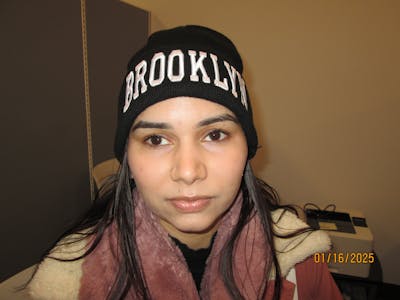
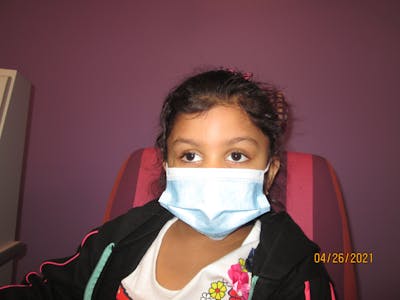
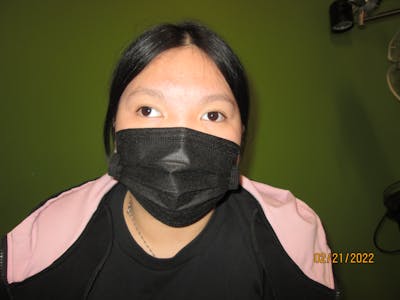
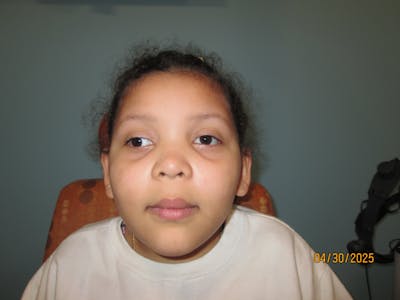

Presentation
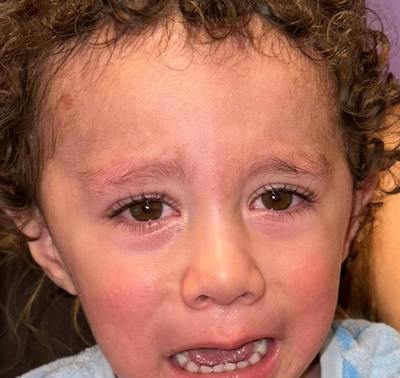
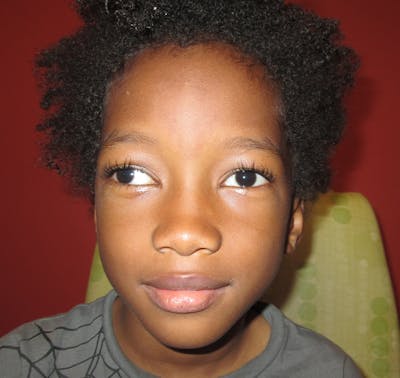
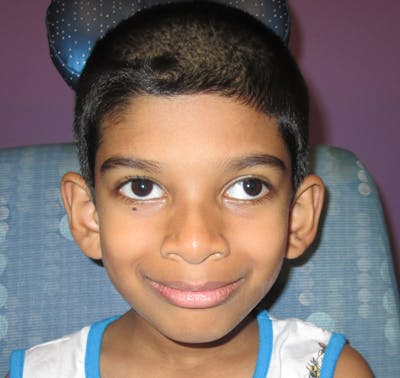
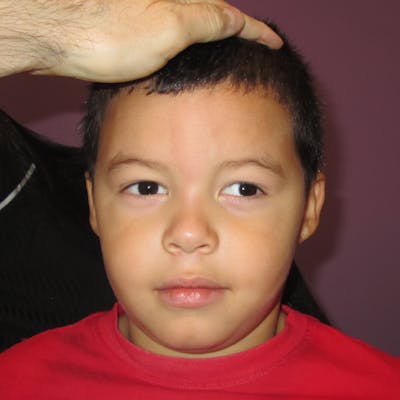
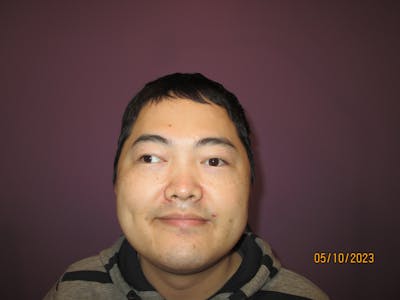
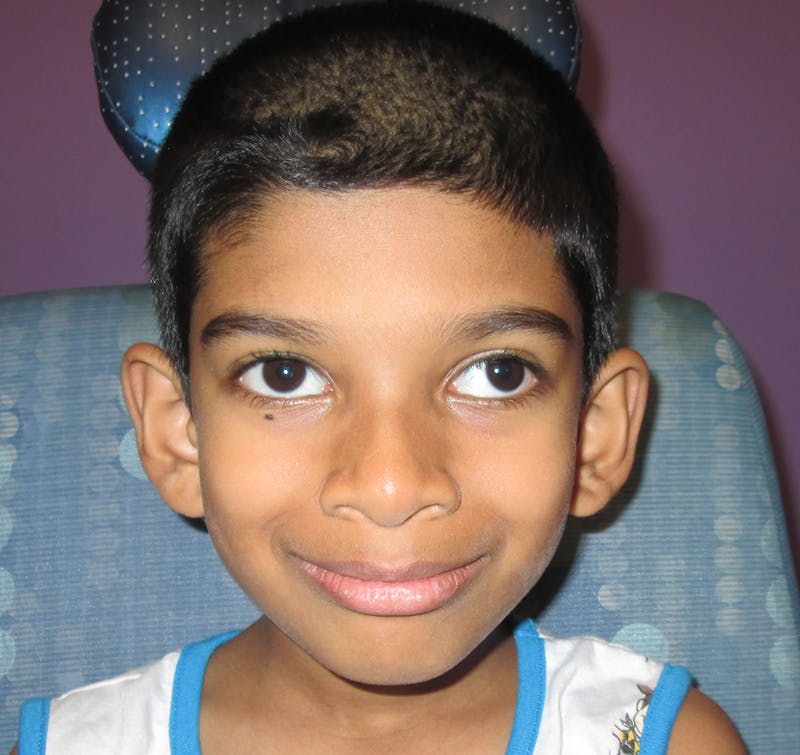
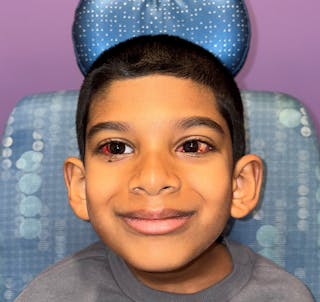
Pete presented with a noticeable outward eye misalignment (exotropia). While his vision was otherwise healthy, the eye turn was becoming increasingly apparent and was affecting how comfortable he felt in social settings.
Clinical Context
For some children, strabismus is not only a matter of eye alignment but also of daily experience. The psychosocial impact of visible strabismus—including effects on self-confidence and peer interactions—has been well documented in the ophthalmic literature.¹ These factors are carefully considered alongside visual function when evaluating treatment options.
Treatment
After thoughtful discussion with Pete and his family, surgical correction was chosen. Pete underwent strabismus surgery with Dr. Lichtenstein in the operating room.
Early Postoperative Course
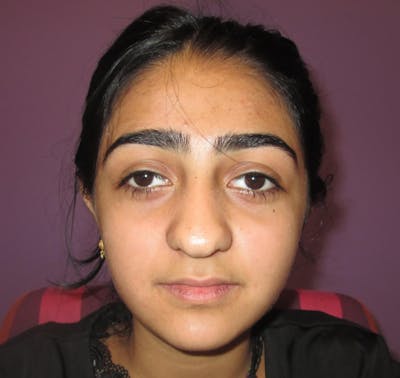
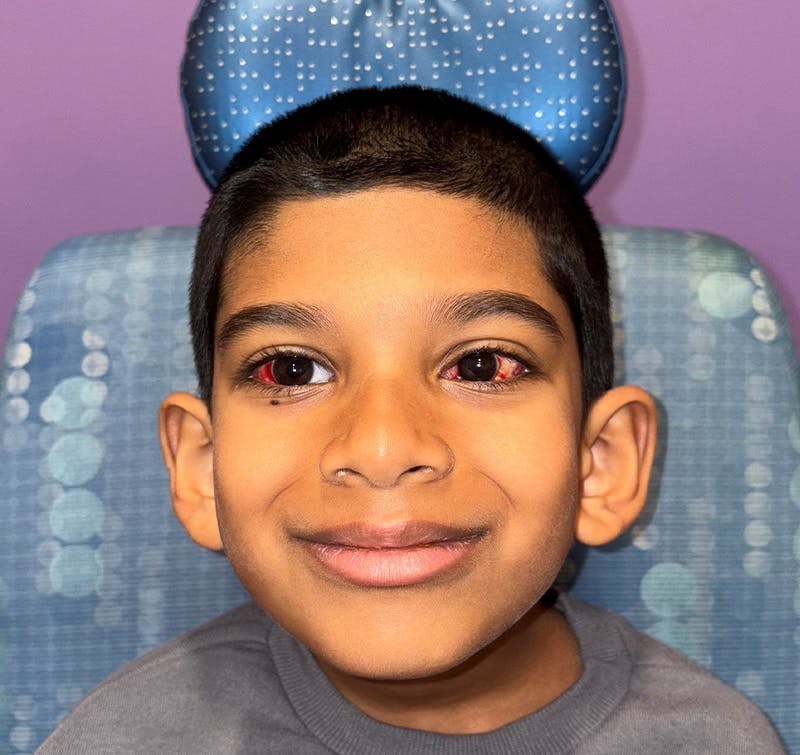
In the first week after surgery, Pete’s eyes appeared slightly overcorrected. Although this can be unsettling at first, temporary overcorrection following exotropia repair is both common and intentional in many cases.
Outcome
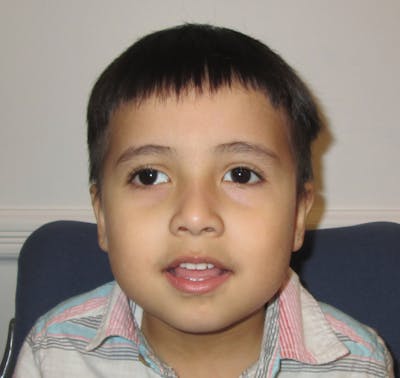
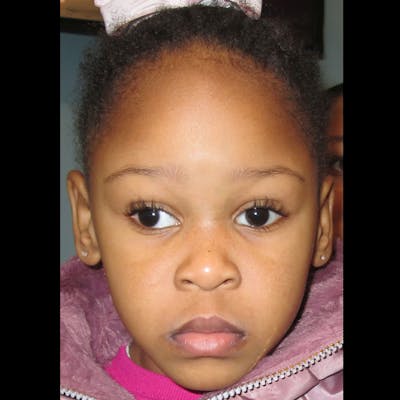
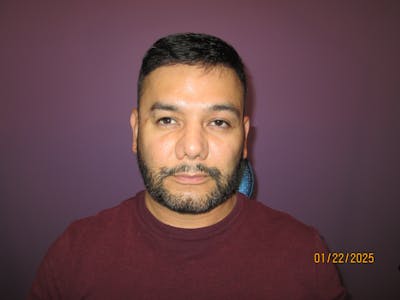
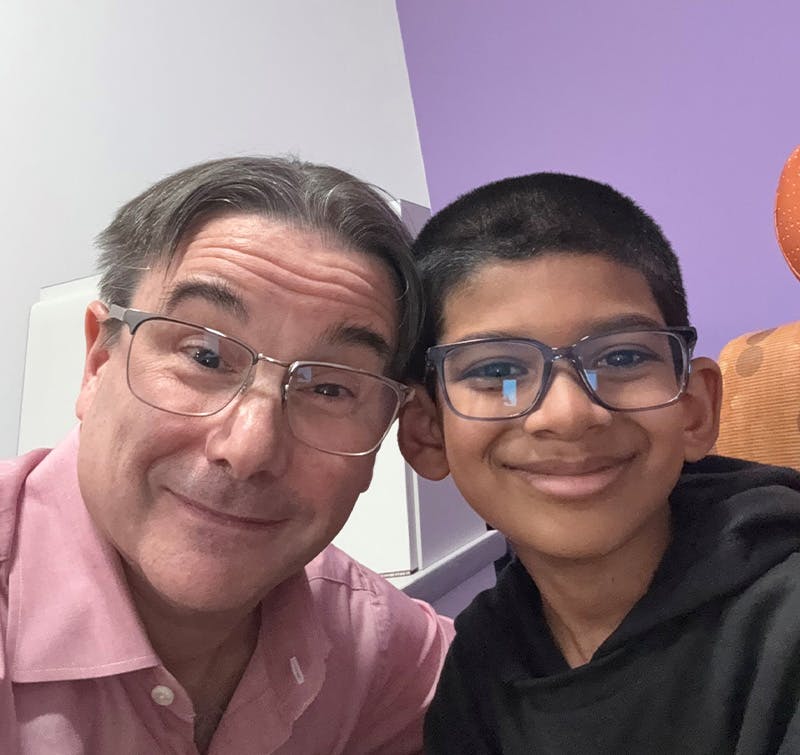
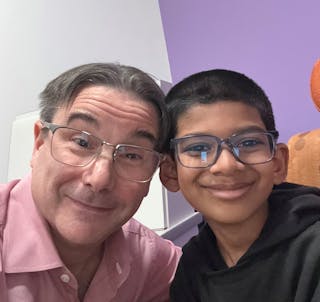
As expected, the early overcorrection gradually resolved on its own over the following months (see third photo). This pattern is associated with a greater likelihood of stable long-term alignment. Pete ultimately achieved a natural appearance that supported both visual comfort and confidence.