
View Other Patients
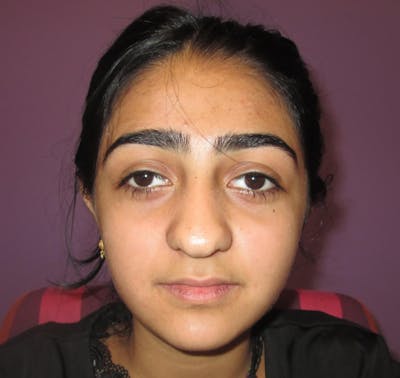
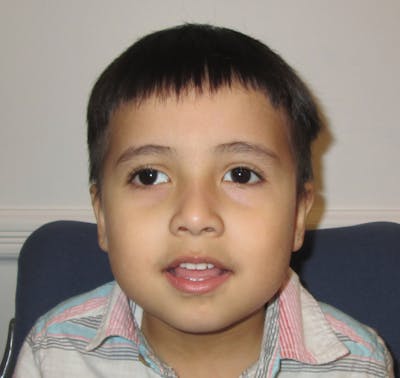
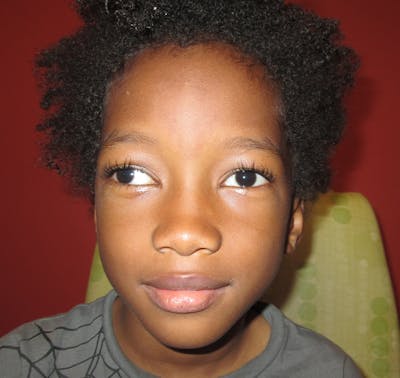
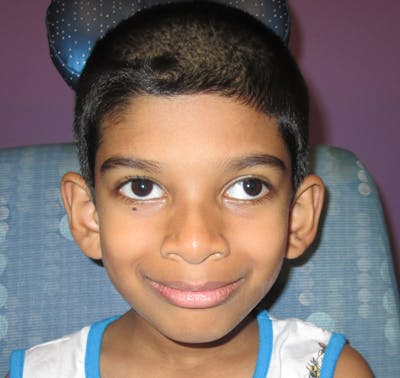

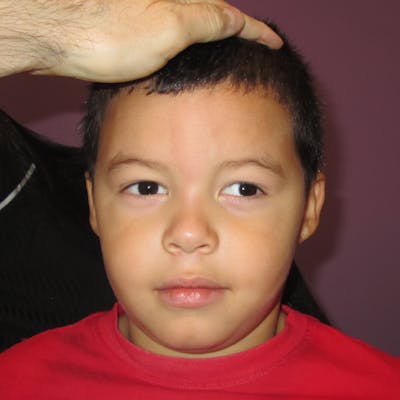
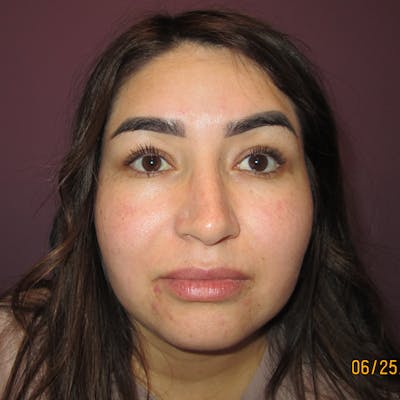

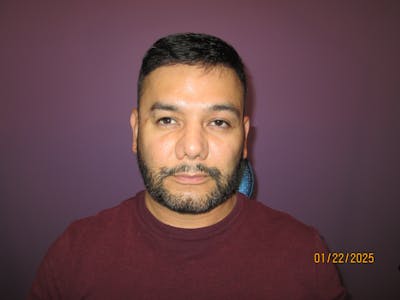
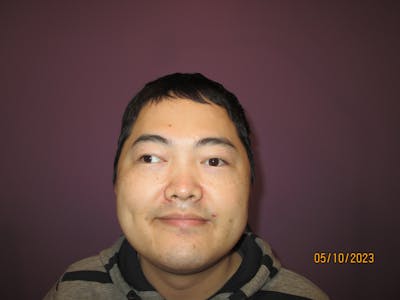




Arturo’s Story
Arturo had exotropia, a form of strabismus in which one eye drifts outward. Years earlier, he had undergone eye muscle surgery and initially did very well. Over time, however, the exotropia gradually returned.
This is something many adults find frustrating and discouraging. They often assume that if a prior surgery "didn't last," there is nothing more that can be done. Fortunately, that is usually not the case.
Exotropia is ultimately a problem of eye alignment control within the brain. Eye muscle surgery changes the mechanics of the eye muscles, but it cannot permanently alter the underlying control system. As a result, even after a successful operation, some patients experience a recurrence years or even decades later.
For Arturo, the recurrent exotropia had become increasingly noticeable and bothersome. After a detailed evaluation and discussion of the available options, he chose to undergo repeat strabismus surgery.
The Procedure
Repeat strabismus surgery can be more technically complex than a first operation. Prior surgery changes the anatomy and creates scar tissue, requiring a thoughtful and experienced surgical approach.
That said, previous surgery is not an obstacle to additional surgery. Careful measurements, a detailed understanding of what may have been done previously, and thoughtful surgical planning typically allow us to improve eye alignment once again. Reoperations can be unpredictable, and experience matters. Prior records are often unavailable, and the anatomy encountered during reoperation is not always exactly what was expected. A surgeon who is comfortable working with scar tissue, altered anatomy, and making intraoperative adjustments when necessary is often at an advantage.
Arturo's surgery was performed as an outpatient procedure, allowing him to return home the same day.
The Result
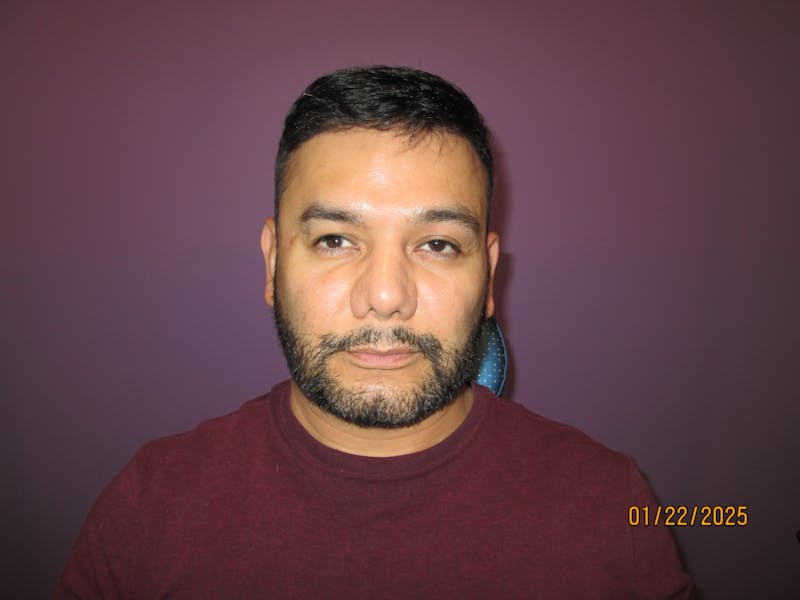
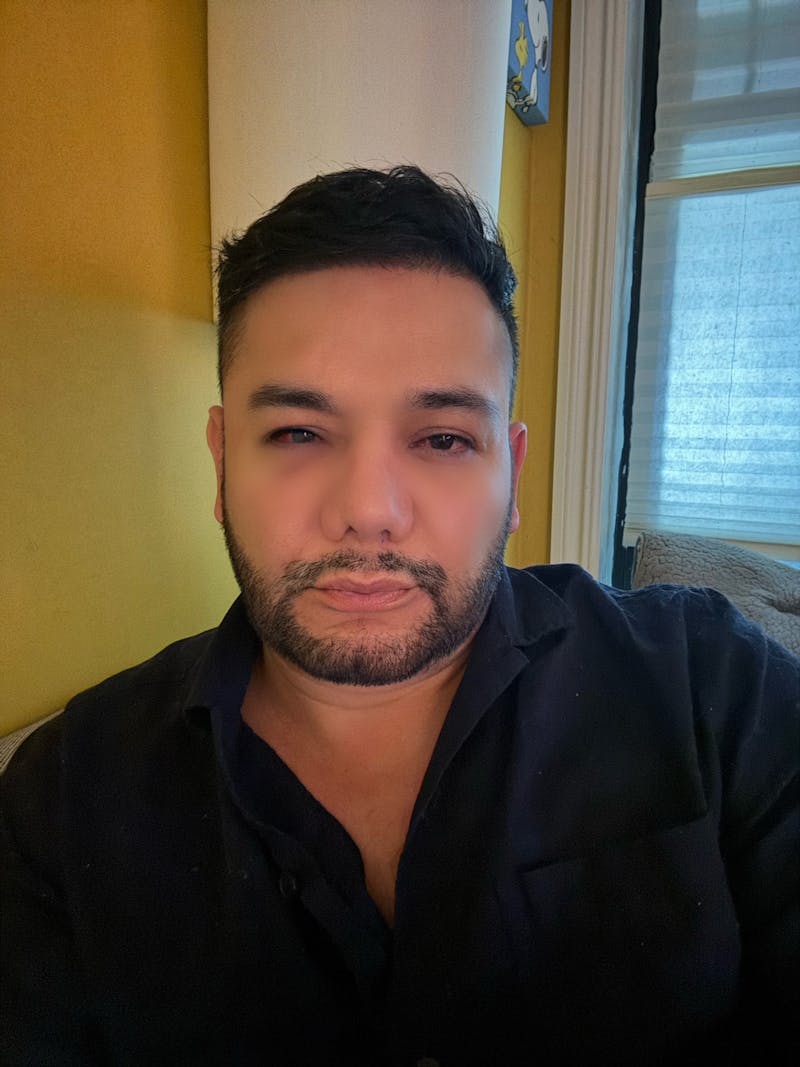
The before-and-after photographs demonstrate a significant improvement in Arturo's eye alignment following surgery.
For adults with recurrent strabismus, the benefits of surgery often extend beyond appearance alone. Many patients tell me they feel more comfortable making eye contact, less self-conscious in social situations, and no longer distracted by concerns that other people are focusing on their eye turn instead of the conversation.
Some adults also experience improvement in visual symptoms, although the goals and expected benefits vary from person to person.
As with any strabismus surgery, long-term follow-up remains important. Some patients maintain excellent alignment indefinitely, while others experience additional changes over time.
The Lesson
Many adults live with recurrent strabismus for years because they assume that a previous surgery means they have run out of options.
That is almost never the case.
Even when strabismus returns after an earlier operation, additional treatment can often provide meaningful improvement in eye alignment, visual comfort, confidence, and quality of life.
A thoughtful evaluation by an experienced strabismus surgeon can help determine whether repeat surgery is likely to be beneficial and what degree of improvement can realistically be expected.