
View Other Patients

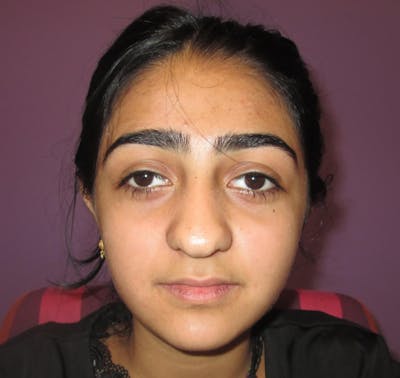
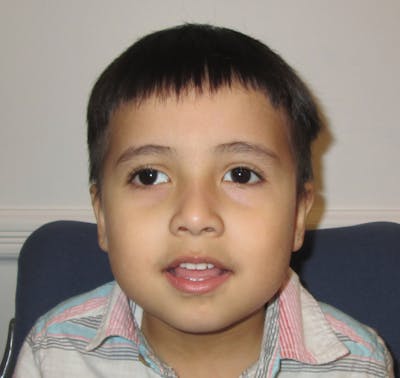
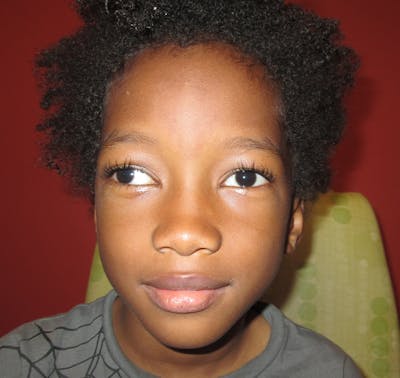
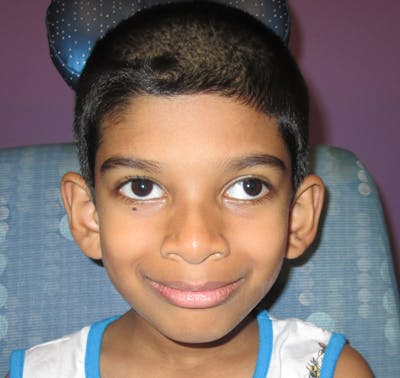
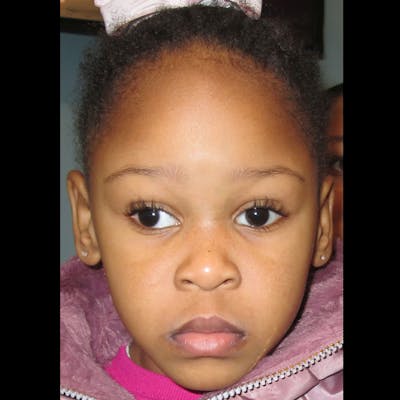
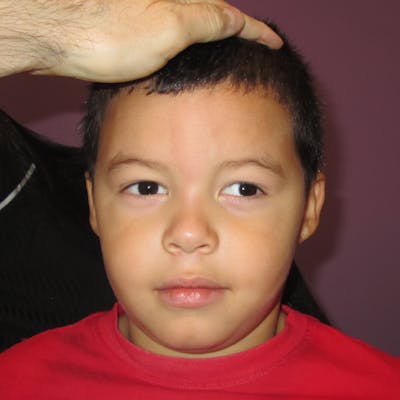
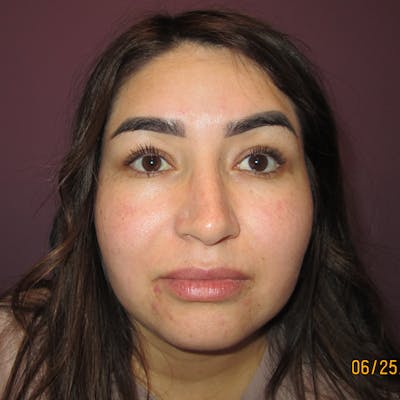
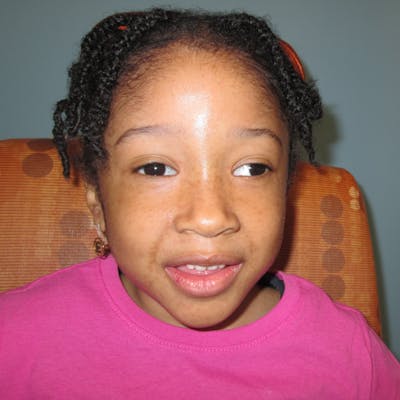

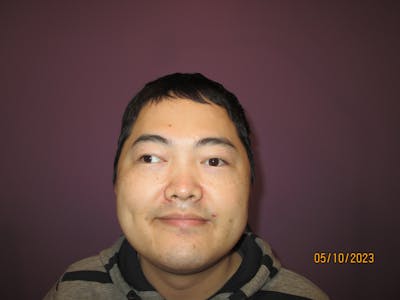



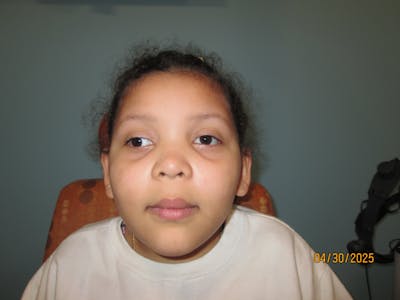
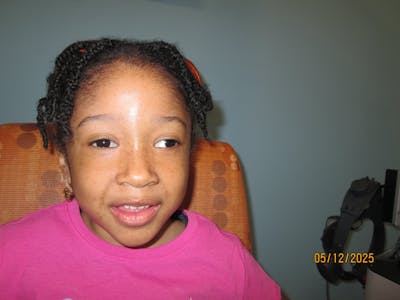

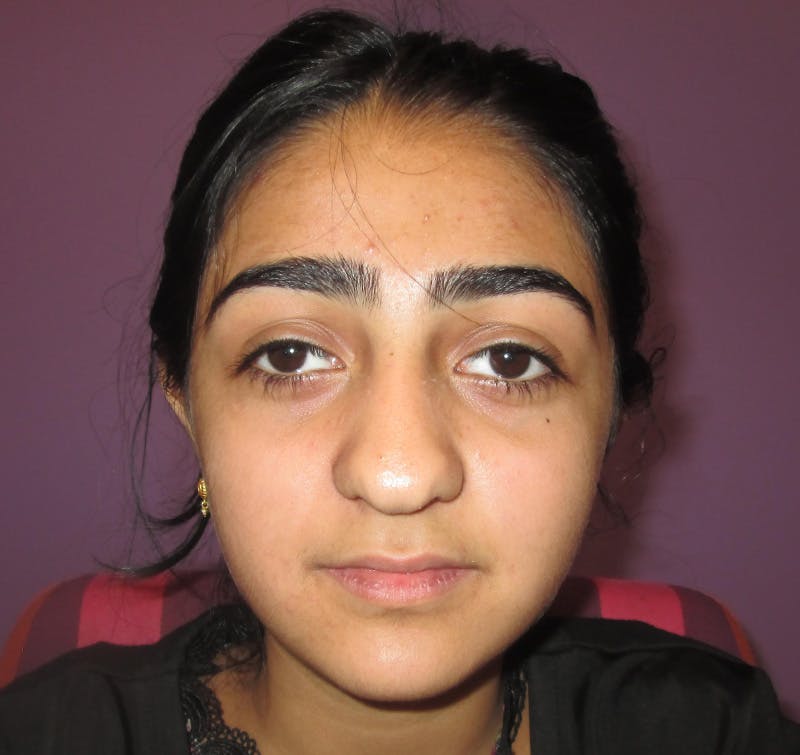
Presentation
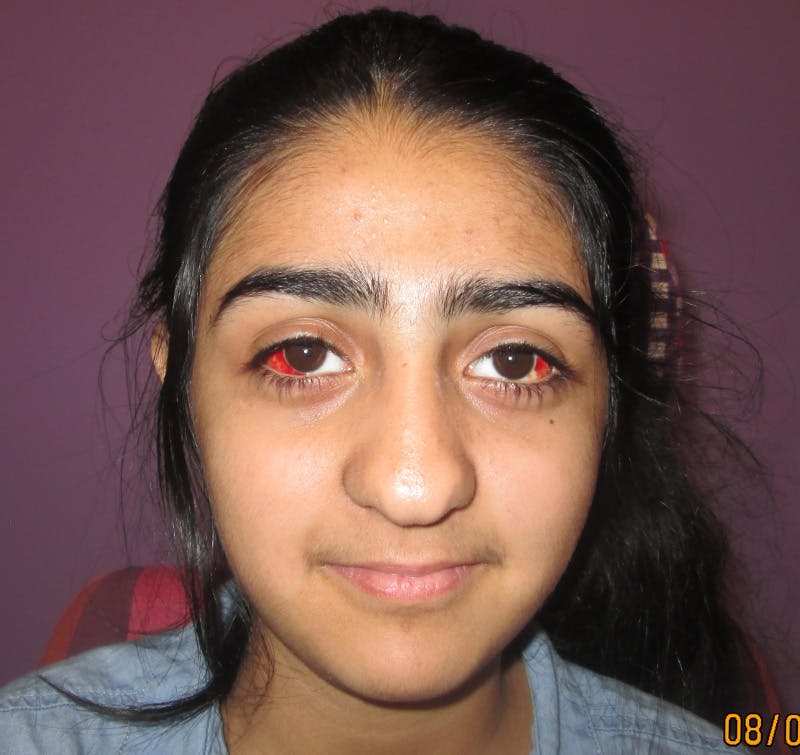
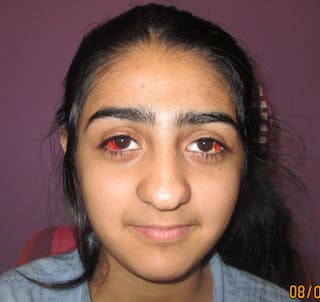
This patient first presented in early adolescence with outward eye deviation (exotropia) and underwent strabismus surgery at that time, achieving good alignment. In early adulthood, the exotropia gradually recurred, and the patient returned for re-evaluation.
Clinical Context
Strabismus is primarily a disorder of how the brain coordinates eye position, not simply a problem of the eye muscles themselves. While most patients achieve long-lasting alignment with a single operation, recurrence can occur over time—particularly as visual demands and neural control change with age.
Treatment
A second strabismus procedure was performed to restore alignment in primary gaze. Re-operations for exotropia are common and are undertaken when the misalignment becomes noticeable or bothersome to the patient.
Outcome
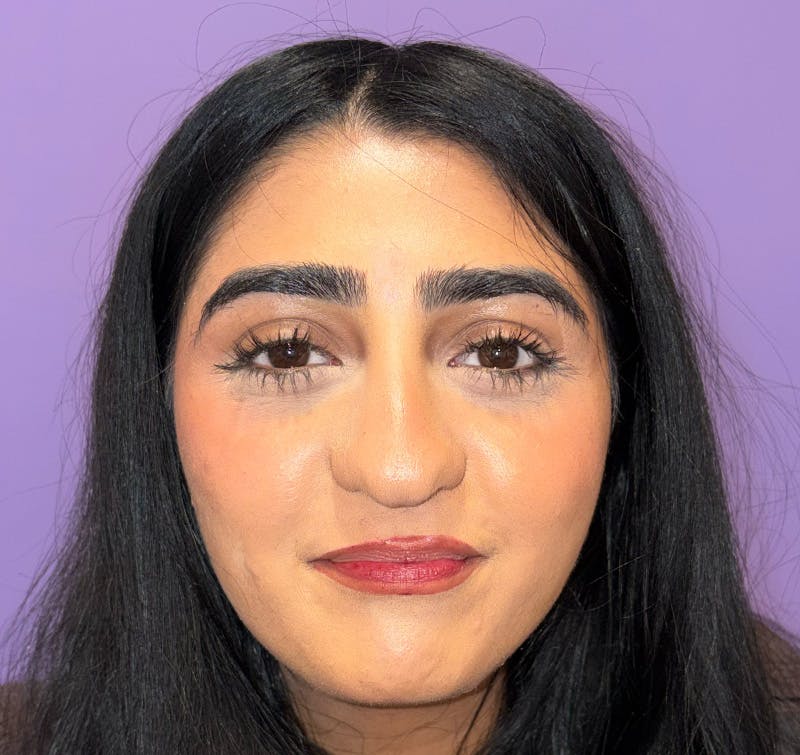
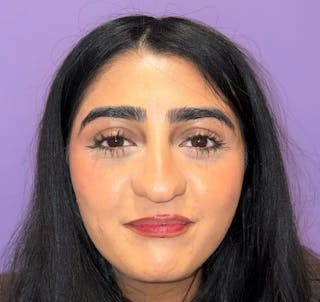
Postoperative photographs show improved eye alignment with a natural appearance. The patient recovered smoothly from surgery.
Clinical Considerations
Strabismus surgery aims to improve alignment and function, not to promise a permanent “cure.” Most patients require only one operation, some benefit from a second, and the need for additional procedures beyond that is uncommon. Adults occasionally return for treatment years after childhood surgery, as alignment needs evolve over time.