
View Other Patients
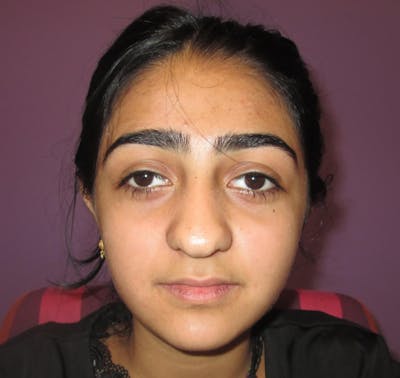
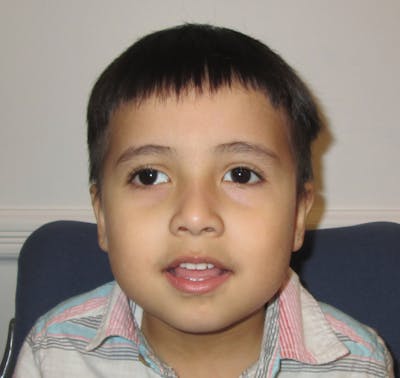
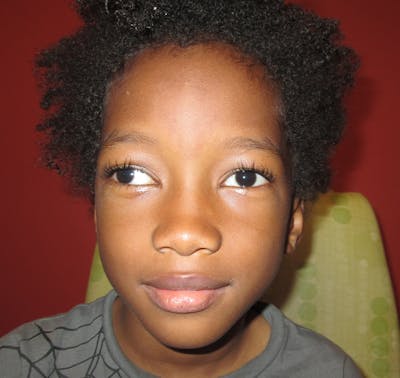
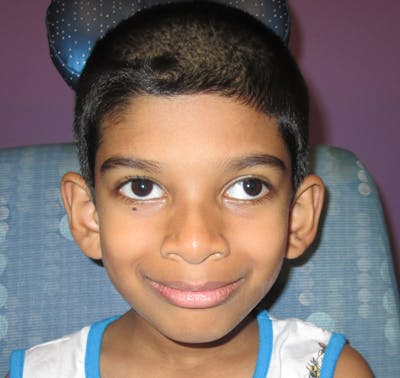
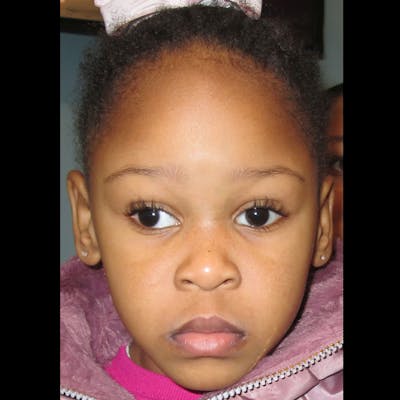
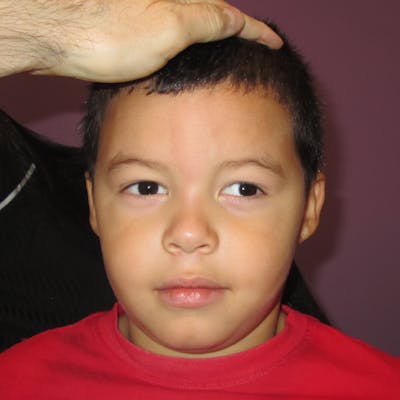
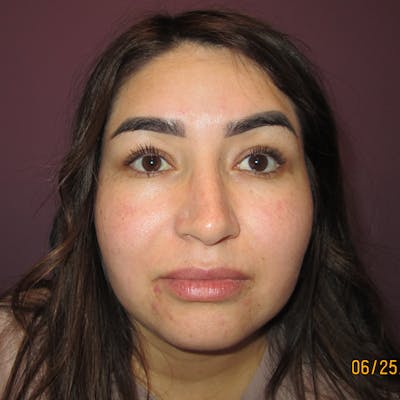
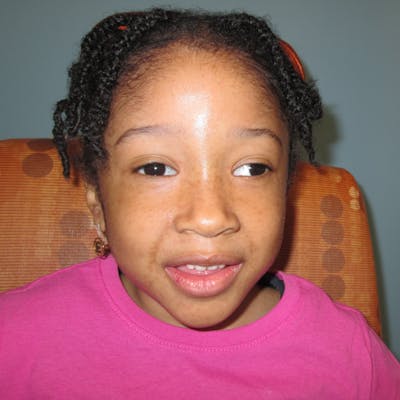






Stefanie’s Story
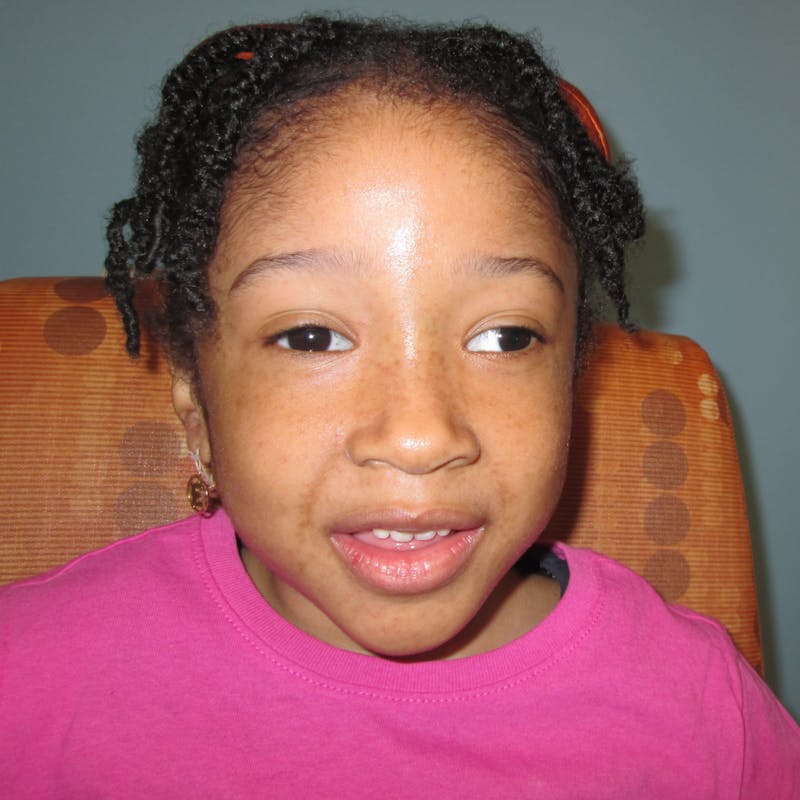
Stefanie had intermittent exotropia, a form of strabismus in which the eyes occasionally drifts outward. The drifting may occur only from time to time or may gradually become more frequent and noticeable.
Surgery for intermittent exotropia is elective. It is not an emergency, and families do not need to pursue surgery simply because an eye sometimes drifts. Surgery may become a good option when the drifting becomes frequent, when maintaining alignment requires increasing effort or causes eye strain, when there is double vision or visual confusion, or when the child or family is concerned about the appearance of the eye turn.
After careful evaluation and discussion of the available options, Stefanie’s family chose eye muscle surgery to improve the alignment of her eyes.
The Procedure
Strabismus usually results from a problem with how the brain controls eye alignment. In a perfect world, we would correct only the responsible cells in the brain, but nobody knows how to do that yet.
What we can do today is strabismus surgery. Strabismus surgery adjusts the position of selected eye muscles to change the balance of forces controlling eye alignment. The eye is not removed, and the procedure does not involve operating inside the eye itself.
Stefanie's surgery was performed as an outpatient procedure, allowing her to return home the same day.
The Result
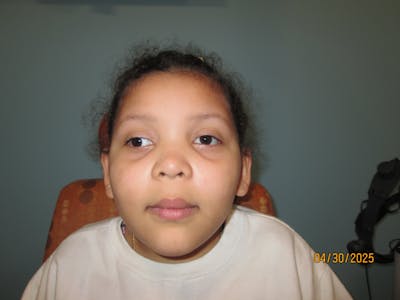
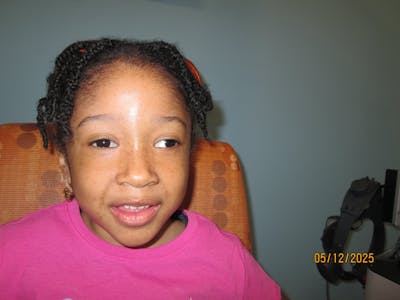
The before-and-after photographs show the improvement in Stefanie’s eye alignment following surgery.
Strabismus surgery cannot guarantee that the eyes will remain perfectly straight forever because the operation changes the position of the eye muscles, not the underlying control system in the brain. With intermittent exotropia, some degree of outward drifting may return over time.
Fortunately, recurrence does not automatically mean another operation is necessary. The decision to perform additional surgery is the same individualized decision that was made before the first procedure: Is the strabismus causing enough of a functional, visual, social, or cosmetic problem to justify treatment?
The Lesson
The decision to have exotropia surgery is highly personal and individualized. Some families choose observation when the drifting is infrequent and well controlled. Others choose surgery because the drifting has become frequent, interferes with comfortable eye alignment, affects how the eyes work together, causes visual symptoms, or has become an important concern for the child or family.
There is no single "right" answer for every child. A pediatric ophthalmologist can help families understand the pattern of exotropia, the expected benefits and limitations of surgery, and whether continued observation or surgical correction makes the most sense.