
View Other Patients
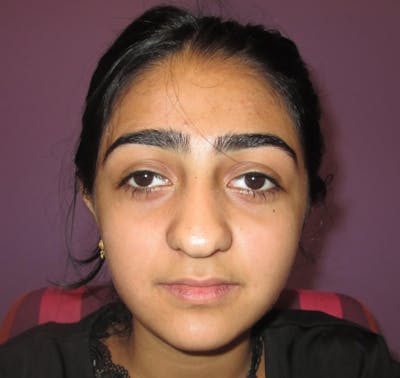
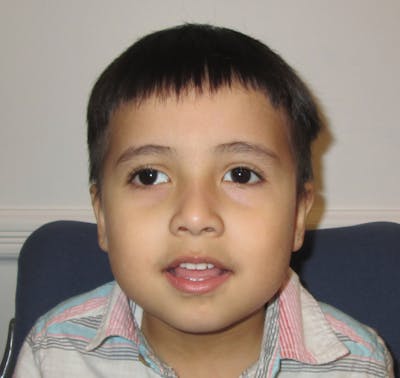
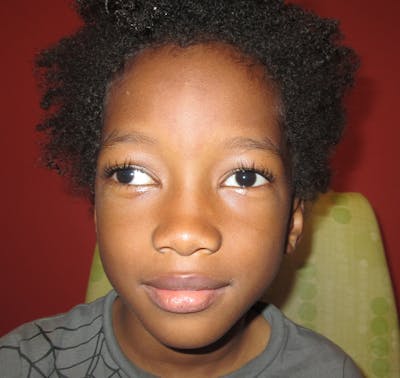
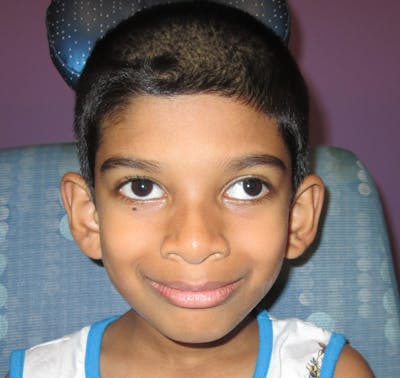





Elsa’s Story
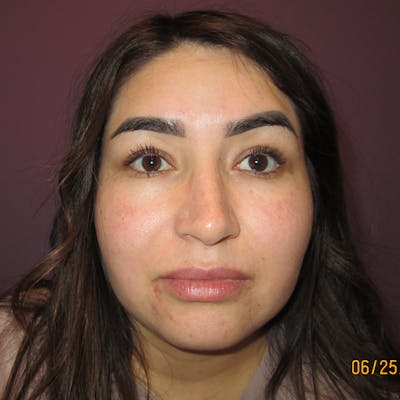
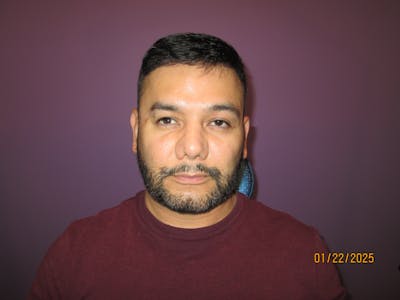
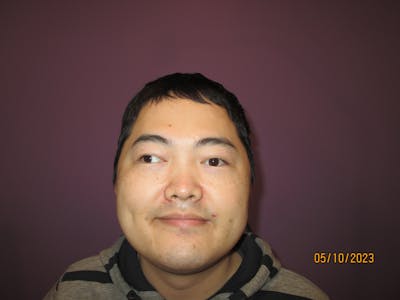
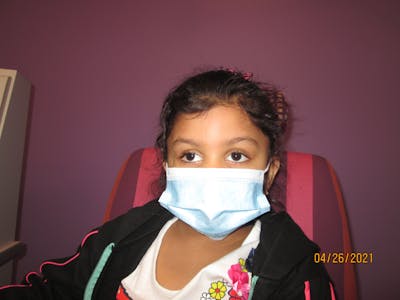
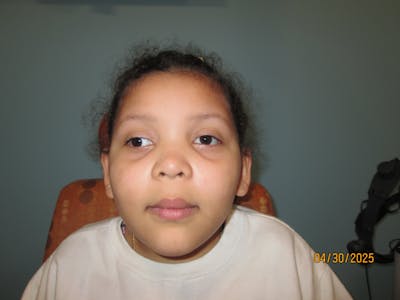
Elsa had exotropia, a form of strabismus in which the eyes drift outward. She had already undergone eye muscle surgery as a child and did well. Over time, however, her exotropia gradually returned.
This is something many patients find disappointing. There is a common misconception that strabismus surgery is a one-time event and that a recurrence means the original surgery somehow "failed." In reality, strabismus is usually a lifelong condition involving the way the brain controls eye alignment. Surgery changes the way the eye muscles rotate the eyes, but it does not always change the underlying control system. As a result, some patients experience a recurrence years later despite an excellent initial result.
For Elsa, the recurrent eye turn had become increasingly noticeable. After a careful evaluation and discussion of the available options, she chose to proceed with another strabismus surgery.
The Procedure
Strabismus reoperation can be more complex than a first operation. Prior surgery changes the anatomy and creates scar tissue, requiring a thoughtful and individualized surgical approach.
Fortunately, previous surgery is not an obstacle to additional treatment. Careful measurements, a detailed understanding of what may have been done previously, and thoughtful surgical planning typically allow us to improve eye alignment once again.
The goal is not simply to move an eye. The goal is to restore a more comfortable, natural relationship between the eyes while respecting the unique anatomy created by the previous operation.
Elsa's surgery was performed as an outpatient procedure, allowing her to return home the same day.
The Result
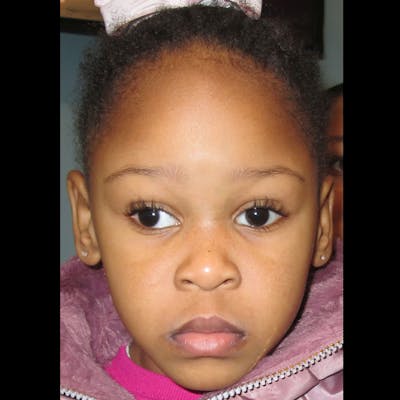
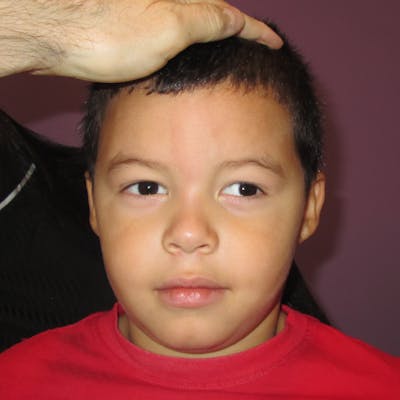
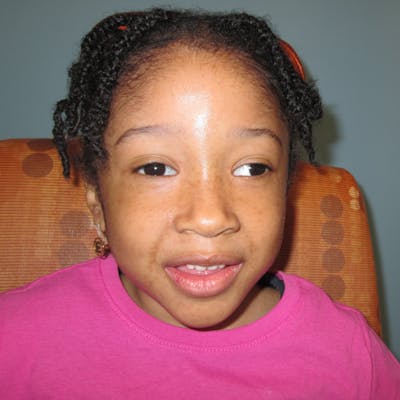
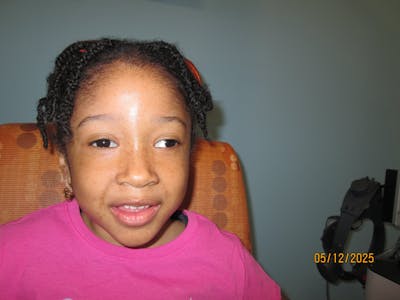
The photographs demonstrate a substantial improvement in Elsa's eye alignment following surgery.
For many young adults, recurrent strabismus affects far more than appearance alone. Eye contact may become uncomfortable. Social situations may feel awkward. Some patients find themselves constantly aware of their eye position, while others become frustrated that a problem they thought had been fixed has gradually returned.
One of the most rewarding aspects of adolescent and adult strabismus surgery is seeing patients regain confidence. It is often not just the eyes that appear more aligned. Patients frequently describe feeling more comfortable in photographs, conversations, school, work, and everyday interactions.
No operation can guarantee perfect alignment forever, and some patients may eventually benefit from additional treatment. Nevertheless, meaningful improvement is usually possible, even after previous surgery and many years of living with recurrent strabismus.
The Lesson
A recurrence after childhood strabismus surgery does not mean that you have run out of options.
Many patients who enjoyed good alignment for years can still benefit from additional treatment if the eye turn comes back.
The first question is not whether surgery was performed before. The first question is whether the current alignment is causing enough of a functional, visual, social, or personal problem to justify reoperation.
For the right patient, repeat strabismus surgery can provide meaningful improvement in eye alignment, confidence, and quality of life.